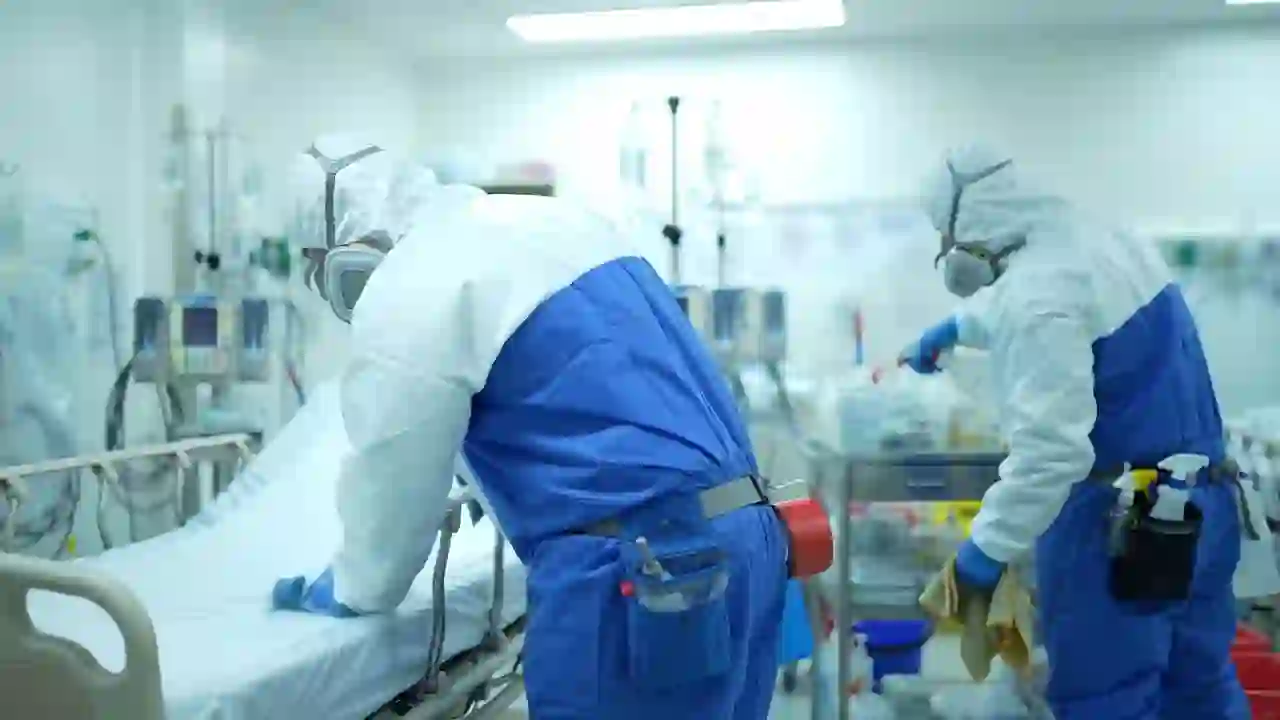
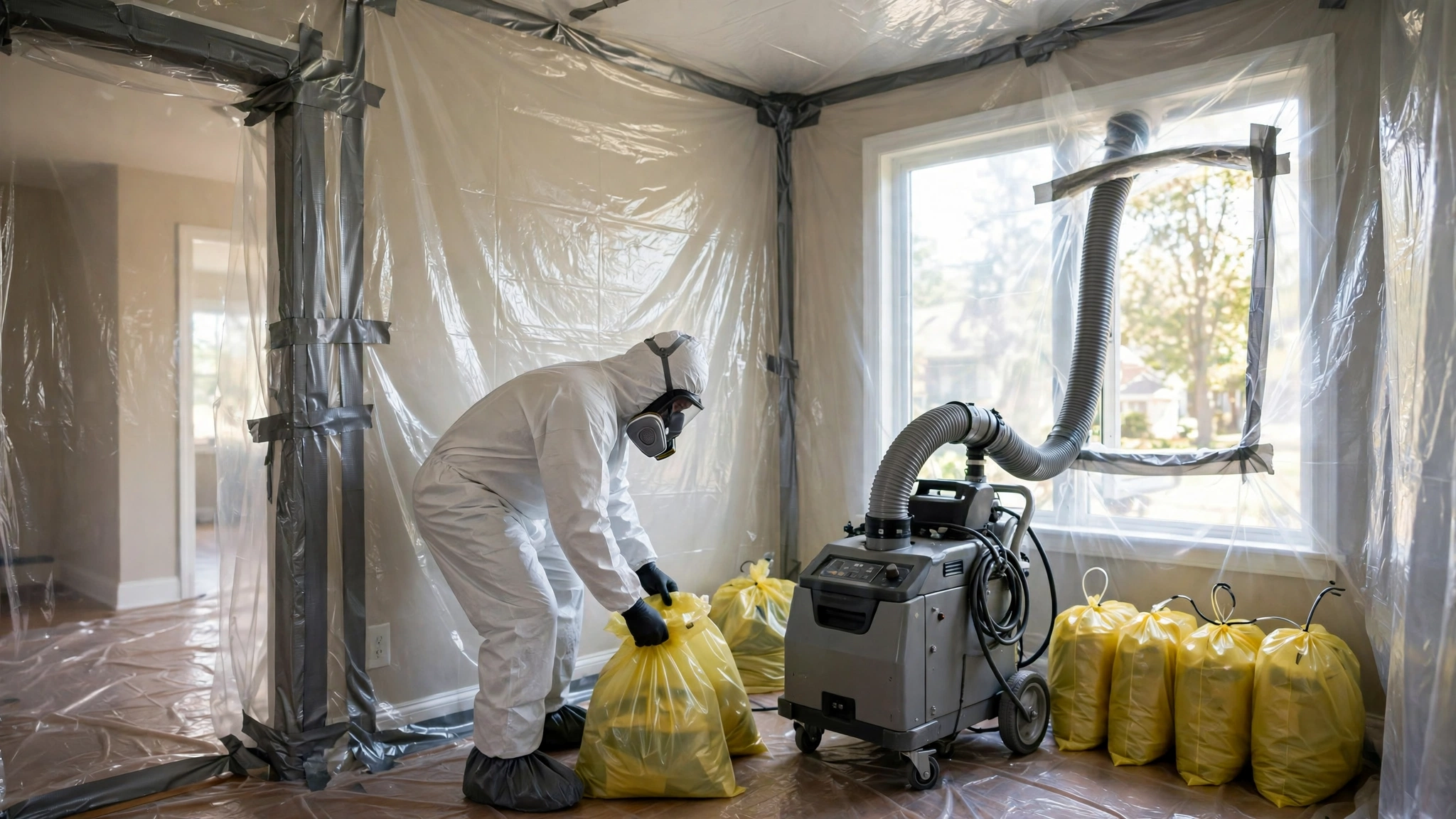
Unattended death cleanup in Midtown Phoenix restores a mid-rise apartment after a person has been found some time after death, once emergency services and any investigators have released the scene. Discovery is handled first by emergency services, and cleanup never starts before release. After release, the crew plans the work around the property: room layout, surfaces, access, and shared walls. Contaminated material leaves in sealed containers, hard surfaces are disinfected, adjoining rooms are checked for spread, and odor is treated at its source. A plain-language written summary records what was removed, what was disinfected, and what remains for the family or manager to decide. Shared areas are protected from the start, and the written summary at handover records the work in plain language.
Midtown Phoenix mixes mid-rise apartment buildings with older apartment blocks and small commercial corridors, and many residents live alone in one- or two-room homes. When someone in such a home is found some time after death, the room has often been closed through extreme heat, and the air inside is hot, stale, and strongly affected. The corridor outside may smell faintly, worrying neighbors, while the unit itself needs containment before it is opened up for work. The crew balances thoroughness inside the unit with courtesy outside it, keeping shared spaces clean and the visit unobtrusive. The building's shared spaces add a second audience for the work, since neighbors and building staff will notice the visit even when they are told nothing personal. Those details are confirmed on the planning call, so the visit plan reflects the actual property rather than a generic assumption.
A common misunderstanding is that opening windows and airing the room will solve the problem. In practice, airing a contaminated room without containment can push odor and particles into adjoining rooms, corridors, and neighboring units, making a one-room problem into a whole-property problem. Airflow is therefore controlled from the start: the affected room is contained, air movement is managed so it does not carry contamination outward, and ventilation happens in a planned way after removal and disinfection. The goal is a room that is genuinely clean, not a room that merely smells less strong for an afternoon. What families often find hardest is not the cleaning itself but the uncertainty around it: which rooms are involved, what will happen to belongings, and when the home can be used again. The crew tackles that uncertainty directly, explaining the assessment's findings, the order of work, and the decisions that will be needed, in plain language and without graphic detail. Nothing is described in ways that add distress, and nothing is hidden behind technical terms, because a family under strain deserves a clear account of what is happening inside a home they care about. That local background helps the family understand why the crew asks about rooms, access, and shared areas on the first call.
The sections below walk through the local factors first, because they change the plan more than any generic description can convey. Then comes the scope of the work, the step-by-step process, the signs that point to a longer-undiscovered death, the first steps to take after discovery, answers to common questions for this neighborhood, and hypothetical illustrations of how such situations typically come to light. Each section is written for this neighborhood's housing and conditions, not copied from another area's page. For property managers and family members alike, the handover is the moment the work becomes a record rather than a visit. The summary lists removals, disinfection, rooms covered, and remaining decisions in plain language, and it is given to the person who arranged the work. That record is what allows a home to be discussed, handed over, or prepared for its next use without anyone needing to re-enter rooms or reconstruct what happened from memory.
Unattended death cleanup in Midtown Phoenix: local factors
Housing and surfaces in Midtown Phoenix
Midtown homes in this group are typically mid-rise apartments with open living and sleeping areas, tile floors in kitchens and bathrooms, carpet or rugs in sleeping areas, and stucco walls. Tile grout and slab joints are checked as routes for fluids, and bedding, seating, and closet contents near the affected spot usually cannot be disinfected safely. Older blocks add variations: original tile, older grout, and utility closets that connect rooms in unexpected ways. Furniture that has absorbed odor deeply is discussed with the family or manager before removal, because those decisions deserve explanation rather than silent action. A factor that looks minor on the call, such as a shared vent or a floor seam, can change the scope on arrival, which is why assessment precedes removal in every visit. During assessment, the crew notes how this factor appears in the actual home, and the written summary reflects those observations rather than a generic description.
Access and staging in Midtown Phoenix
Many Midtown buildings have a secured entry, a small lobby, and one elevator or stairwell serving several floors, so the crew agrees on access, parking, and a cart route before arrival. Staging happens in a hallway corner or service nook rather than the lobby, and waste leaves in sealed containers by the route the building prefers. Elevator and corridor surfaces are protected so residents passing through see nothing unusual. Access details are confirmed on the first call, including who can open the property and which entry the crew should use. The crew records how each factor appeared in this property, so the written summary reflects the actual home rather than a generic description of the neighborhood. The crew checks this factor against the rooms themselves on arrival, since a general neighborhood pattern never replaces a property-specific assessment.
Climate and seasonal factors in Midtown Phoenix
A Phoenix cleanup is planned around heat, dust, and water together. Heat above 110 degrees accelerates change in a closed room, monsoon dust spreads fine particles into grout and furnishings, and sudden rain finds weaknesses in roofs and drains. The crew's response covers all three: containment before movement, controlled airflow rather than open windows, removal of what cannot be disinfected, disinfection of hard surfaces, and drying verified before handover. Stucco, slab, and tile construction shapes the detail, because grout lines, slab joints, and porous surfaces hold contamination differently from carpet and wood, and those joints are inspected rather than assumed clean. Desert heat above 110 degrees accelerates change in a closed Midtown unit within hours, and monsoon dust can add a fine layer to every surface once a door or window is opened. That local picture is checked against the actual property on arrival, because two homes on the same street can differ in surfaces, layout, and access, and the plan follows the home rather than the neighborhood label. This factor interacts with the others on this page, and the crew weighs the combination rather than treating any single factor in isolation.
Belongings, odor, and neighbors in Midtown Phoenix
Belongings decisions are handled with care, because the room belonged to someone and its contents matter to people who are grieving. Items of sentimental value are identified on the first call where possible and assessed separately, rather than treated as ordinary waste. Porous items near the affected spot, such as bedding, upholstered seating, and clothing, often cannot be disinfected safely and are removed in sealed containers, while hard-surface items that can be disinfected are cleaned and kept. The family or manager is told what was removed and why, and what remains for them to decide, so no decision is made silently. A neighbor across the hall may be the first person to raise concern, and the crew keeps that neighbor's home and hallway protected throughout. The crew records how each factor appeared in this property, so the written summary reflects the actual home rather than a generic description of the neighborhood. The crew's route and staging choices also reflect this factor, since moving through a property carelessly can undo careful work inside the affected room.
What unattended death cleanup covers in Midtown Phoenix
Cleanup in Midtown Phoenix covers the apartment or room where a person was found some time after death, once emergency services and any investigators have released the scene. The scope is the room where the person was found plus any space the assessment connects to it through air, moisture, or shared surfaces. That typically includes the affected room itself, adjoining bathrooms and closets, and hallway sections that carried odor or moisture. Fluids and staining are removed, porous material that cannot be disinfected safely is taken out, hard surfaces are disinfected, and odor is dealt with at its source. Shared areas are protected, and the crew leaves the property's clean rooms untouched. Service covers only the 15 verified neighborhoods in Phoenix, Arizona, and coverage is confirmed by ZIP. The visit closes with a plain-language written summary covering removals, disinfection, and anything left for the family or manager to decide, giving a clear record of the work done. The scope also covers the protection of shared areas during the visit, so corridors, entries, and service routes are guarded and left clean even when they were never contaminated. Shared areas are guarded throughout the visit even when they are not part of the cleaning scope, because protecting them prevents a second problem in rooms that were never affected. Where a surface cannot be disinfected safely, the crew explains why before removing it, rather than leaving the family to discover the removal later.
Illustrative image, not a specific customer job.Illustrative image, not a specific customer job.Illustrative image, not a specific customer job.Illustrative image, not a specific customer job.
How unattended death cleanup is done in Midtown Phoenix
1. Initial call and site planning
A short planning call precedes every visit, and it covers the essentials: has the scene been released, what kind of property is it, which rooms are affected, and who can give access. Further questions cover sentimental belongings, shared corridors or walls, parking, and building rules, all of which shape containment and container routes. The crew then explains the sequence of work and the decisions the family or manager will face, so the visit day holds no surprises and clean rooms are never crossed without reason. For a mid-rise apartment in Midtown Phoenix, the crew adapts this stage to the rooms and surfaces involved.
2. Getting on site and protecting shared spaces
The crew's first actions on site are protective rather than cleaning. Shared floors, corridors, and entry surfaces are guarded, the container route is walked and confirmed, and staging is arranged in a contained spot. The door to the affected room stays shut while these preparations are made, so nothing drifts outward before containment is ready. That discipline keeps the problem inside one room, and it lets residents and neighbors continue their routines with minimal awareness of the visit. In Midtown Phoenix, this stage is planned around the property's rooms, access, and shared areas.
3. Assessment and containment
Before removal, the crew assesses and contains. Assessment covers the affected room plus adjoining spaces, tracing fluids along seams and joints, odor into soft furnishings, and moisture into floors and wall bases. Containment then isolates the work area, with controlled airflow preventing outward drift during removal and disinfection. This pairing is essential in properties with shared walls or air systems, where an uncontained room could affect neighbors. The crew explains the assessment's findings to the family or manager, including which rooms are in scope and why. In Midtown Phoenix, this stage is planned around the property's rooms, access, and shared areas.
4. Removal of contaminated material
Contaminated material leaves the property in sealed containers, and only after containment is in place. The crew removes porous material that disinfection cannot reach, including bedding, seating, rugs, and soft items near the affected spot, sealing each load inside the work area before it moves. Hard surfaces remain for disinfection, and items of sentimental value flagged on the call are set aside for separate assessment rather than removed with general contents. Each cleared area is inspected again after removal, because taking material out often reveals staining or moisture hidden beneath it. In Midtown Phoenix, this stage is planned around the property's rooms, access, and shared areas.
5. Cleaning, disinfection, and drying
Disinfection follows removal in a deliberate sequence: hard surfaces first, then seams and joints, then a re-check of every treated area. The crew applies disinfectant to floors, fixtures, counters, and frames, giving it proper contact time, and inspects grout lines and wall bases closely. Drying is verified with the same care, across the affected room and any adjoining rooms that showed moisture, and any area that remains damp is dried further and re-checked. The goal is a room that is clean and dry throughout, not merely clean on its visible surfaces. For a mid-rise apartment in Midtown Phoenix, the crew adapts this stage to the rooms and surfaces involved.
6. Closing check and plain-language summary
Before handover, the crew performs a final inspection of the affected room and every involved adjoining room, checking surfaces, seams, joints, dryness, and odor at its source. The inspection is deliberately strict: a room that merely looks clean but remains damp or still carries source odor is not passed. Once the inspection passes, a written summary is prepared in plain language, covering removals, disinfection, and decisions left for the family or manager, and the room is handed back with that record. For a home like a mid-rise apartment in Midtown Phoenix, the crew fits this stage to the actual layout on the day.
Warning signs to call about
A property manager receives concern from neighboring units about odor or silence, and finds the unit's occupant unreachable by every usual route. When this sign appears together with silence from the resident, contacting emergency services is the right next step rather than waiting longer. This sign alone does not confirm anything, but it is a reason to seek a check rather than to wait and see.
A routine visit by a friend, relative, or care visitor goes unanswered, and the home shows no sign of recent activity inside. When this sign appears together with silence from the resident, contacting emergency services is the right next step rather than waiting longer. This sign is most meaningful alongside unanswered calls or messages, and the combination deserves prompt action.
Odor, silence, and unanswered contact coincide: any two of those together deserve prompt attention from emergency services rather than waiting longer. Neighbors and family members who notice this sign should not enter the home themselves, but should contact emergency services for a check. Noticing this sign early can shorten the period a room stays closed, which makes the later cleanup more straightforward.
Family members living elsewhere find calls going unanswered and messages unread, and a check-in visit finds the home silent and closed. When this sign appears together with silence from the resident, contacting emergency services is the right next step rather than waiting longer. Noticing this sign early can shorten the period a room stays closed, which makes the later cleanup more straightforward.
An odor near a side door, window, or vent grows stronger over days rather than fading, suggesting a source inside that is not being treated. Alone, this sign may have an innocent explanation, but combined with unanswered contact it deserves prompt attention. Family members who spot this sign from a distance should arrange a check through emergency services or a local contact.
A strong odor comes from one room or unit and does not clear when the space is ventilated, which often points to a room that has been closed for some time. This sign matters because it indicates time passing without the resident's normal activity, which is the core pattern in unattended deaths. Noticing this sign early can shorten the period a room stays closed, which makes the later cleanup more straightforward.
What to do first
Your first action is to contact emergency services if they have not attended yet; no cleanup starts until the scene is released by them. Keeping to this step avoids spreading contamination before the crew has assessed the room.
Keep people and pets out of the affected room, and keep the room's door closed so odor and particles are not carried into other rooms or shared spaces. A short note on this point helps the planning call build an accurate plan.
Keep a note of the property layout, the rooms involved, and the access details, so the planning call can build an accurate plan without a second visit. A short note on this point helps the planning call build an accurate plan.
Do not discard items from the room before the assessment, because items that look affected may be salvageable and items that look clean may not be. This precaution matters most in the period between discovery and the crew's arrival.
Note any items of sentimental value that matter to the family, and mention them on the first call so they can be assessed separately rather than treated as ordinary contents. This precaution matters most in the period between discovery and the crew's arrival.
Do not switch on air systems that serve the whole home until the crew has assessed airflow, because a house-wide system can carry odor into clean rooms. A short note on this point helps the planning call build an accurate plan.
If neighbors ask what happened, share no personal details; the crew's visit is discreet, and the written summary goes to the family or manager only. Keeping to this step avoids spreading contamination before the crew has assessed the room.
When unattended death cleanup is needed in Midtown Phoenix
Consider a hypothetical case where a neighbor in Midtown Phoenix grows concerned because a resident who lived alone in a mid-rise apartment has not been seen for days and the usual routines have stopped. The neighbor contacts a family member, who asks emergency services to check on the resident, and the death is discovered some time after it happened. After release, the family faces a home they have not entered, with rooms that need assessment before any decisions about belongings can be made. A contained, staged cleanup lets them avoid entering the affected rooms while still receiving a clear record of what was removed and what was disinfected. The illustration is hypothetical, and it is included because its pattern, a resident living alone whose routines stop and whose absence is noticed by others, is the pattern by which many unattended deaths come to light.
As an illustration, a friend might notice that a resident who lived alone in a mid-rise apartment has not responded to messages for a week, a break from a long pattern of regular contact, and ask emergency services to check on the resident. The death is discovered some time after it happened, the scene is released, and the friend supports the family in arranging cleanup. The crew's planning call covers access, sentimental items, and shared areas, and the visit proceeds discreetly, with a written summary at handover that lets the family understand the rooms covered, the material removed, and the surfaces disinfected. As a hypothetical example, it shows how discovery often happens through other people noticing absence, rather than through the resident seeking help.
In a hypothetical situation, a neighbor in Midtown Phoenix might hear a pet unattended in a mid-rise apartment and, unable to reach a resident who lived alone in a mid-rise apartment, contact emergency services. The death is discovered some time after it happened, the scene is released, and the family must arrange cleanup while also caring for the pet's needs. The crew keeps people and pets out of the affected room, contains the work area, and proceeds through removal, disinfection, and drying in stages. The written summary lets the family account for the home's rooms and contents without entering affected areas before they are ready. The example is invented for illustration, and it reflects the common pattern in which mail, routines, and contact all stop without explanation.
Scenarios above are hypothetical illustrations, not real customer jobs.
Unattended death cleanup in Midtown Phoenix: questions people ask
Will neighbors be told what happened, and will odor reach other homes?
Neighbors are not told personal details, and the crew works discreetly, with containment in place before the affected room is opened up for work. Odor is treated at its source: the material causing it is removed or disinfected, rather than masked with fragrance, and airflow is managed so odor does not drift into corridors or adjoining homes. Adjoining rooms and shared areas are checked and protected, and shared surfaces are left clean. Neighbors may notice a discreet crew presence, but they are not given information about the person or the circumstances. In Midtown Phoenix, stucco, slab, and tile surfaces are inspected as routes in their own right, not assumed clean because they look wiped.
What happens to furniture and belongings in a mid-rise apartment in Midtown Phoenix?
Each item is assessed by material and exposure. Hard surfaces that can be disinfected are cleaned and kept, while porous items near the affected spot, such as bedding, seating, rugs, and clothing, often cannot be disinfected safely and are removed in sealed containers. Items of sentimental value named on the first call are assessed separately, and borderline items are discussed with the family or manager before a decision is made. The written summary lists what was removed, what was disinfected, and what remains for the family or manager to decide. In Midtown Phoenix, extreme heat and monsoon dust and rain are part of the standard assessment for homes like this.
What does the crew need to know on the first call about Midtown Phoenix?
The crew needs the property type and rooms involved, confirmation that emergency services have released the scene, the name of the person authorized to give access, and any items of sentimental value to assess separately. Details about access, shared areas, parking, and building procedures help plan containment and container routes. Information about when the resident was last seen or contacted helps the assessment, because it indicates how long the room was closed. The more accurate those details are, the better the plan and the smoother the visit. In Midtown Phoenix, extreme heat and monsoon dust and rain are part of the standard assessment for homes like this.
Do I need to be present during the cleanup in Midtown Phoenix?
Presence is not required, provided someone authorized can give access and make decisions about belongings, or those decisions have been discussed on the planning call. Many families live elsewhere and arrange the work remotely, receiving updates and the written summary at handover. The crew confirms access, the container route, and sentimental items on the call, so the visit can proceed without the family entering the affected rooms. If the family or manager wishes to be present for parts of the visit, that is arranged around containment and safety. For homes like a mid-rise apartment in Midtown Phoenix, shared walls, corridors, and entries shape the plan as much as the affected room itself.
Are personal items such as photographs and letters handled differently?
Yes. Items of sentimental value named on the first call are identified early and assessed separately from general contents, even when they sit close to the affected spot. The crew explains what disinfection can and cannot achieve for each material, and discusses borderline items with the family or manager before acting. Photographs, letters, and small personal items are often assessed individually, and the family decides their fate with the crew's findings explained. General contents follow the standard material test, while sentimental items receive individual attention. For a mid-rise apartment in Midtown Phoenix, the crew checks heat, dust routes, and tile and slab joints together, since Phoenix conditions connect them.
How long does an unattended death cleanup take in a mid-rise apartment in Midtown Phoenix?
Timing depends on the rooms involved, the materials affected, and how long the room was closed, so the crew gives a realistic expectation on the planning call rather than a fixed figure in advance. A single room with limited spread takes less time than a home where odor and moisture reached several rooms, and drying and re-checking add stages that cannot be rushed. The crew explains the sequence on the call, including which stages are time-sensitive, and keeps the family or manager updated as the visit proceeds, so timing is understood rather than guessed. For a mid-rise apartment in Midtown Phoenix, the crew checks heat, dust routes, and tile and slab joints together, since Phoenix conditions connect them.