
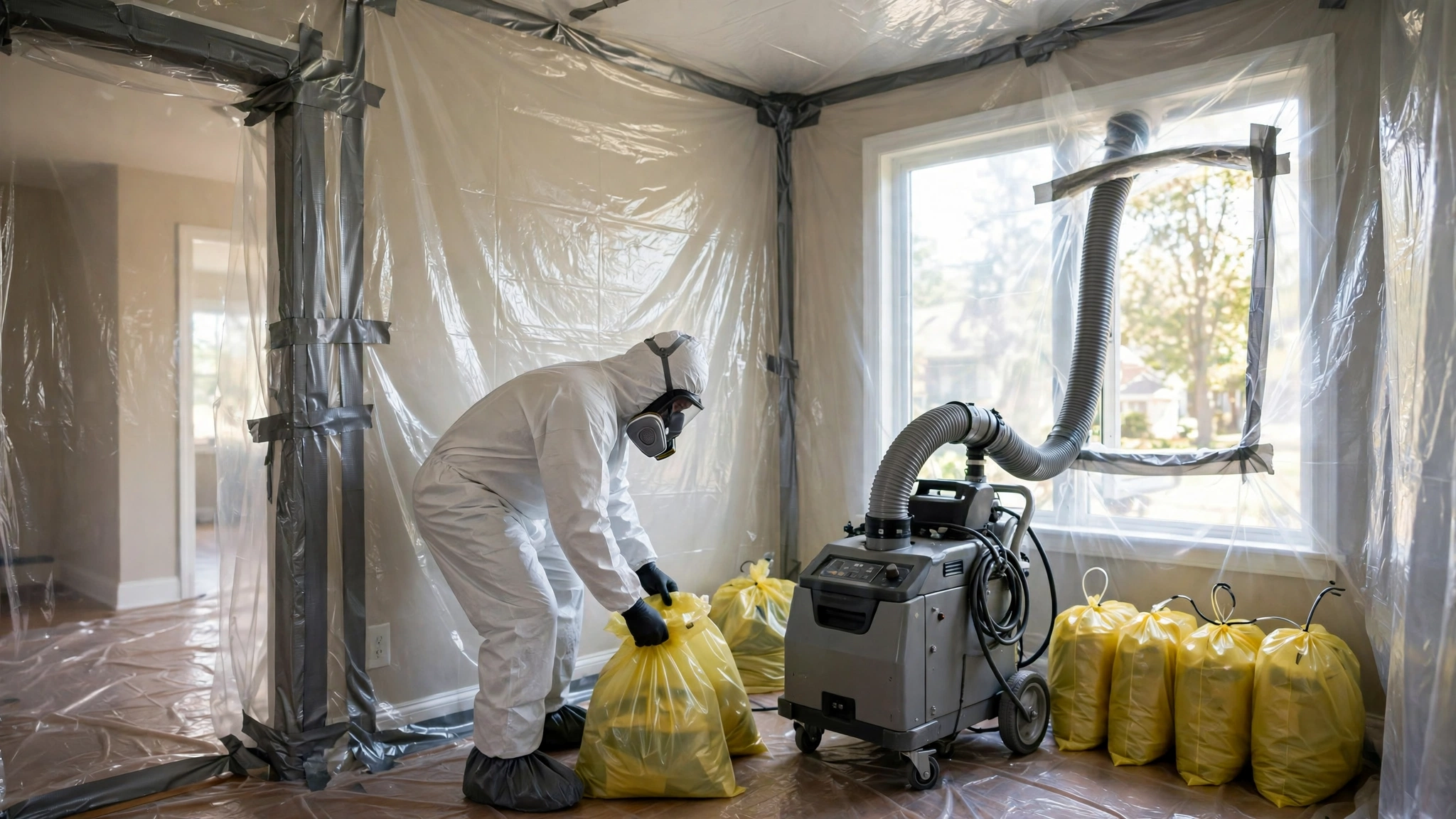
Desert heat
Summer days regularly above 110°F mean a contaminated room deteriorates fast. The room is contained quickly, and the work is planned around the heat rather than left to sit sealed through the hottest part of the day.
Biohazard Cleanup · Phoenix, AZ · Call Now
Phoenix summers are extreme, monsoon season brings dust storms and sudden rain, and Valley homes are built differently from homes in wetter climates. This site explains the work the Phoenix way, neighbourhood by neighbourhood.
Need help in Phoenix, AZ?
Talk to someone about biohazard cleanup in Phoenix, AZ
Describe the problem and where you are — explained before work starts. Coverage is by ZIP.
📞 Call Now: (602) 804-0962Popular areas in Phoenix, AZ
See all areas in Phoenix, AZ →Quick answer
Biohazard cleanup is careful, contained work that removes contaminated material, disinfects what can be saved, and disposes of waste through a proper regulated route. It is not ordinary cleaning, and you should not try to clean a biohazard area yourself — keep people out of the room and call, with emergency services first if anyone is in danger.
Key facts for Phoenix, AZ: 6 service options explained on this site, 4 process steps, 9 questions answered below. You get a written scope for your exact situation before work starts.
Local authority
Phoenix summers are extreme, with days regularly above 110°F. In a closed room that heat accelerates decomposition and odour fast — a situation that could wait a day in a cool climate cannot wait here. Speed matters in Phoenix in a way it does not everywhere, and airflow has to be controlled, not left to a sealed hot room or blown through the rest of the house.
Then comes monsoon season, roughly June through September: dust storms that push fine dust into every crack, followed by sudden downpours that leak through roofs and strain drains and sewers. Dust plus water plus contamination is a combination that needs containment first, before anything is moved or dried.
And Valley construction is its own thing. Stucco walls, slab floors and tile are common across Phoenix, from older ranch homes in Arcadia and Sunnyslope to foothills homes in Ahwatukee and the mid-rise and apartment stock of Downtown and Midtown Phoenix. Tile grout and porous surfaces hold contamination differently from carpet and wood, so the plan is made for the surfaces in the room, not from a generic checklist.
Summer days regularly above 110°F mean a contaminated room deteriorates fast. The room is contained quickly, and the work is planned around the heat rather than left to sit sealed through the hottest part of the day.
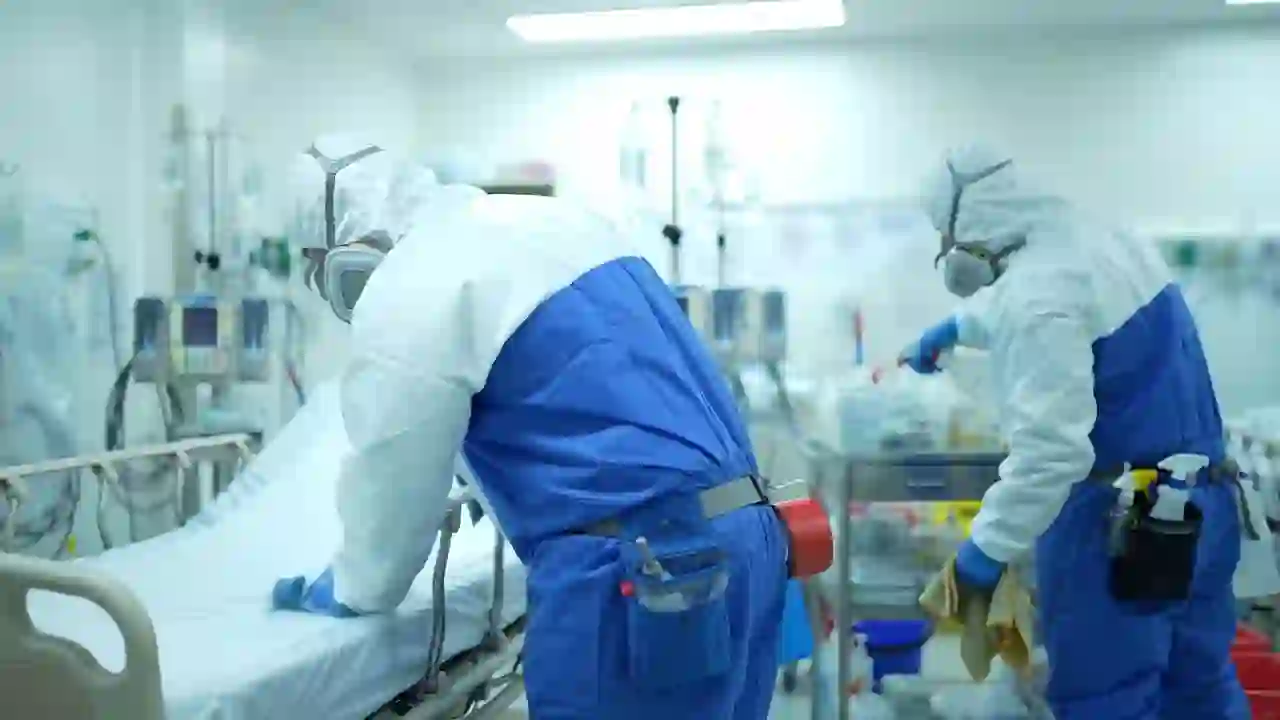
Dust storms drive fine dust into rooms, and sudden rain finds roof and drain weaknesses. Containment comes before moving anything, so dust and water do not spread contamination further through the home.
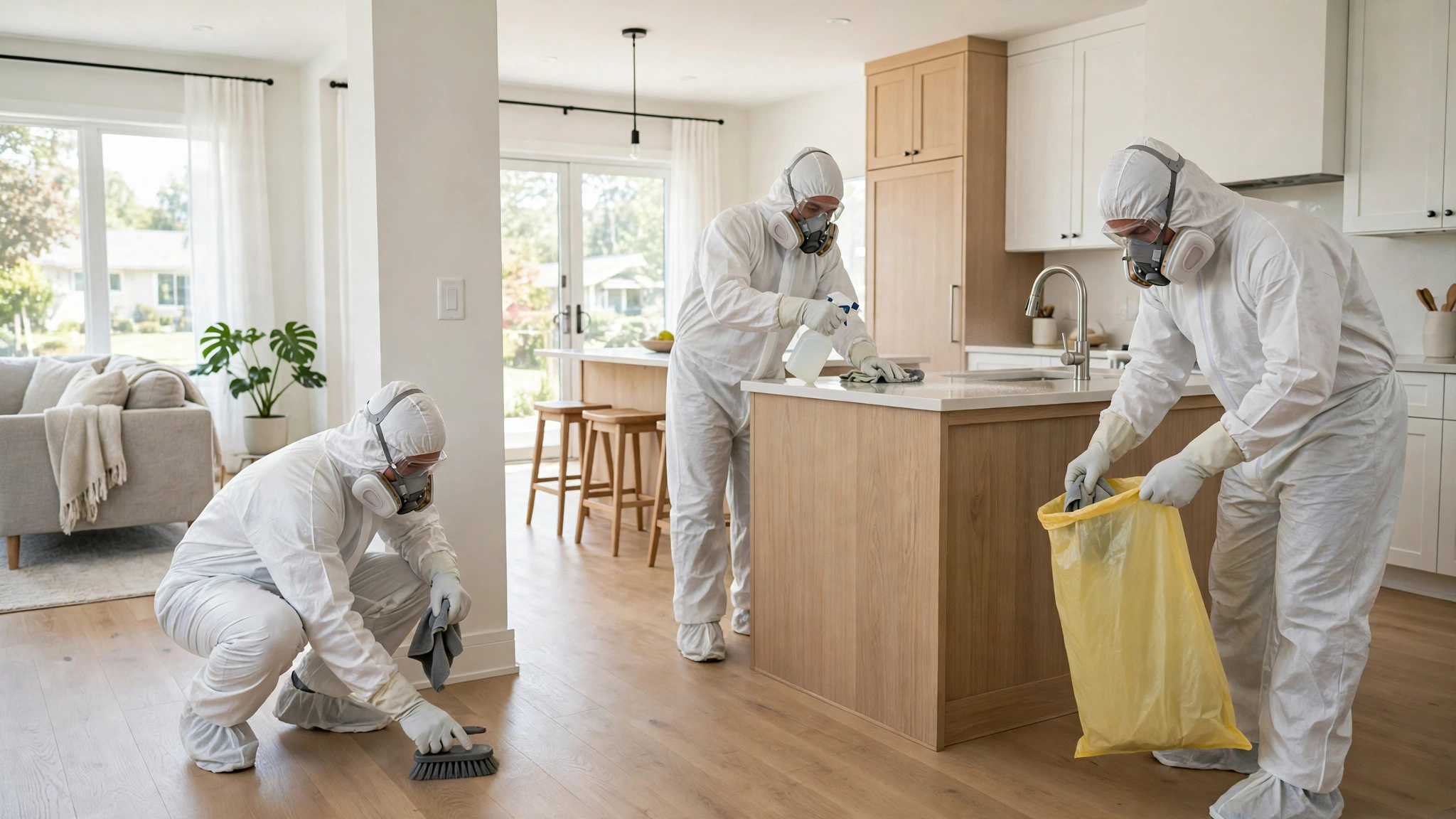
Stucco, slab and tile dominate Phoenix homes. Grout lines, slab joints and porous surfaces are checked as contamination routes, not assumed clean because the surface looks wiped.

Keep people and pets out of the room, do not run the cooling system in a way that blows air from the room through the house, and do not try to clean a trauma or blood scene yourself. Call, describe the room and the neighbourhood, and get a plan for that property.
Yes. In summer heat above 110°F, decomposition and odour in a closed room build much faster than in a cool climate. A room that could wait a day elsewhere should not wait here — call as soon as it is safe to do so and the room is closed off.
Water spreads contamination, and monsoon dust gets into everything it touches. The room is contained first, the water and dust routes are checked, and only then is material removed and the area disinfected and dried.
No. This site covers the 15 Phoenix neighbourhoods listed below — Downtown Phoenix, Midtown Phoenix, Arcadia, Ahwatukee Foothills, North Phoenix, South Mountain, Camelback East, Encanto, Maryvale, Desert View, Roosevelt Row, Grand Avenue, Biltmore, Alhambra and Sunnyslope. Coverage is by ZIP, so call to check your exact ZIP.
Because contamination hides in grout lines, slab joints and porous surfaces that look clean after a wipe. A Phoenix cleanup checks those routes rather than assuming a wiped surface is a clean surface.
Our services
Each option below is explained in plain language — what it covers, when it is the right choice, and what to ask about before work starts.
01For Phoenix, AZ homes and businesses needing biohazard cleanup help.
Call about this →Explained before work starts02For Phoenix, AZ homes and businesses needing biohazard cleanup help.
Call about this →Explained before work starts03For Phoenix, AZ homes and businesses needing biohazard cleanup help.
Call about this →Explained before work starts04For Phoenix, AZ homes and businesses needing biohazard cleanup help.
Call about this →Explained before work starts05For Phoenix, AZ homes and businesses needing biohazard cleanup help.
Call about this →Explained before work starts06For Phoenix, AZ homes and businesses needing biohazard cleanup help.
Call about this →Explained before work starts▶ Watch: biohazard cleanup work in Phoenix, AZ — illustrative video, not a specific customer job
Browse all biohazard cleanup services in Phoenix, AZ → — each service has its own page, so a subservice search lands on the subservice page, not on this full-service homepage.
Before & after
Drag the slider on each photo to compare before and after. A disordered, contaminated room does not get better on its own — it is cleaned, disinfected, and left clear and safe to use again.

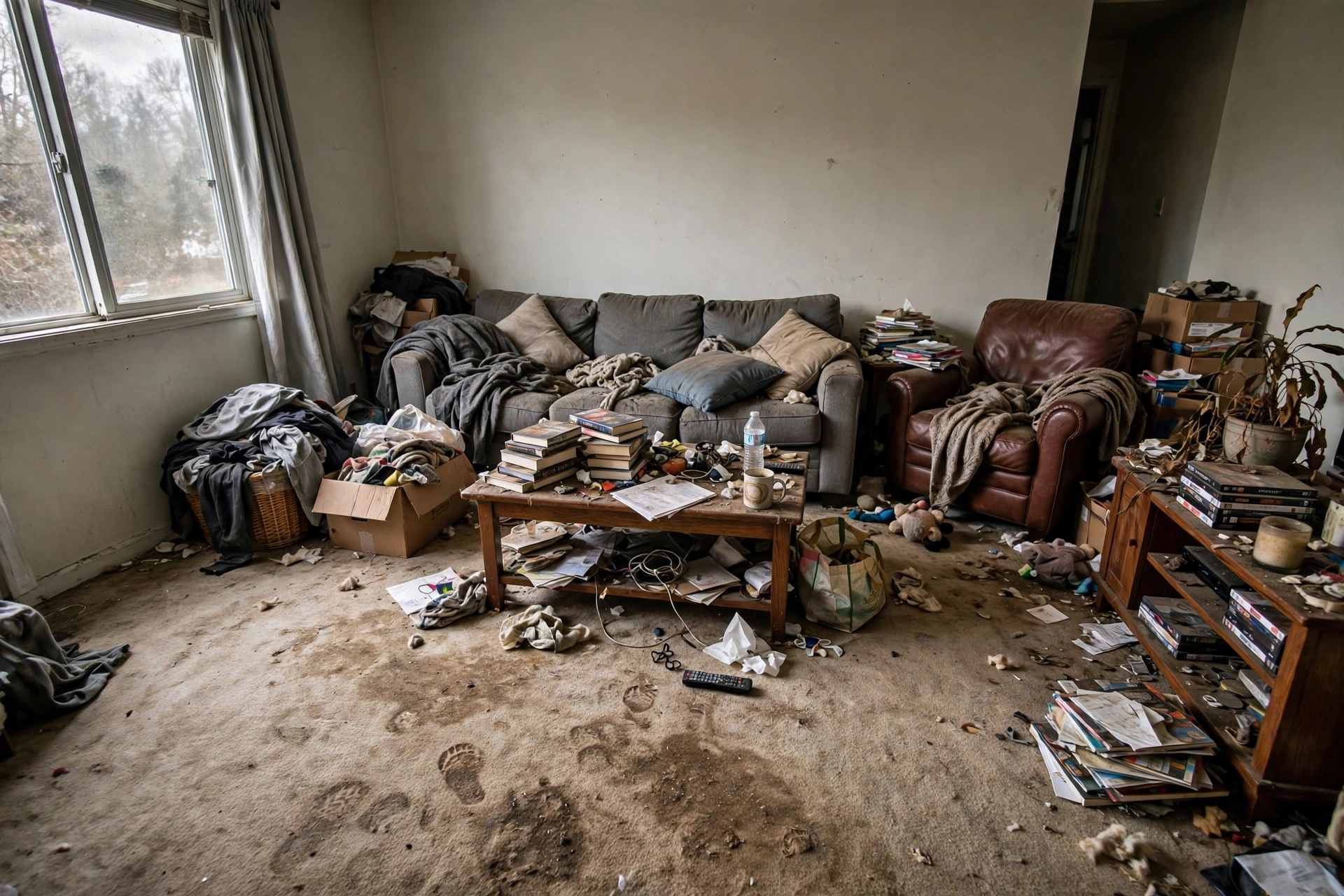 BeforeAfter
Illustrative before-and-after examples of this kind of work, not photos of a specific customer job. Your property, layout, and result will vary — call for a scope for your home.
Call Now: (602) 804-0962How it works
The affected area is assessed first, then contained so material is not tracked into other rooms while work is under way.
Step 1 of 4Items and materials that cannot be safely disinfected are removed and disposed of through the proper waste route.
Step 2 of 4Remaining surfaces are cleaned, then disinfected, with attention to the places people actually touch and use.
Step 3 of 4The room is checked again before it is handed back, with a plain-language summary of what was done and what was removed.
Step 4 of 4Why call
You hear what is wrong, what the options are, and what is involved before anyone starts.
A clear, written scope — agreed before work starts, so nothing is a surprise.
Phoenix conditions are covered on this site, not generic advice: desert heat, monsoon dust and rain, and stucco, slab and tile construction are planned for, neighbourhood by neighbourhood.
Describe the problem and where you are, and get connected to help for your area.
In-depth guide
Biohazard cleanup is work that has to be handled quietly, carefully, and without shortcuts, because the people involved are often dealing with a difficult event at the same time as a practical problem in their home. A room that needs this kind of help is not just dirty. It may contain material that is unsafe to touch, difficult to remove, and easy to spread if someone tries to clean it with ordinary household products. That is why the first job is not scrubbing. It is understanding what is present, keeping the area contained, and making a clear plan for removal, disinfection, and checking the room before it is used again.
Most calls start with uncertainty rather than a clear diagnosis. Someone may have found staining they cannot explain, a strong smell that will not go away, or a room that has been closed off after an accident, an injury, or an unattended death. Others are dealing with a property that has been left in a condition where biological material, waste, or contamination is present, and they do not know where the safe boundary is. A good crew will not rush past those questions. They will ask what happened, which rooms are affected, whether anyone is still using the property, and whether there are pets, children, or vulnerable people who need to be kept away from the area while work is planned.
The work itself follows a sequence that matters. Containment comes first, so material is not tracked through the rest of the home on shoes, equipment, or hands. Contaminated material that cannot be disinfected is removed through a proper waste route, not placed in ordinary household rubbish. Surfaces that can be saved are cleaned and then disinfected, with particular attention to the places people touch, sit, and sleep. Finally, the room is checked again, and the household is given a plain-language summary of what was removed, what was disinfected, and what, if anything, still needs attention. That summary matters, because it is what lets people use the room again with confidence rather than doubt.
When you need unattended death cleanup in Phoenix, AZ, the first question is not which product or package looks best in a brochure. It is what problem you are actually trying to solve, how urgent it is, and what a good outcome looks like in your home or building. Biohazard Cleanup work of this kind varies more than most people expect from one property to the next, because age, construction, previous work, and local conditions all change what is involved. A clear scope should therefore name the work itself, the materials or parts involved, what is included and what is not, and how the result will be checked before the job is signed off. If a proposal cannot explain those points in plain language, it is not yet ready to approve, however attractive a headline promise may look. In Phoenix, AZ, local conditions also matter: the climate, the age of the housing stock, and the way homes in this area were built all affect which approach is most durable, and a local conversation about those factors is worth more than a generic national guide.
Before you commit, ask how long the work is expected to take, what disruption to expect, what decisions you will need to make along the way, and what happens if something unexpected is found once work starts. Those questions are not difficult, and a professional provider should welcome them. They are also the questions that prevent the most common disappointments: work that starts without a clear plan, problems that grow because the scope was vague, and finishes that look good on day one but do not hold up. For unattended death cleanup in particular, the difference between a good result and a mediocre one is usually in the preparation and the checking at the end, not in the most visible part of the job, so give those stages the attention they deserve.
→ Unattended death cleanup page in Phoenix, AZAreas in Phoenix, AZ →
When you need accident and trauma cleanup in Phoenix, AZ, the first question is not which product or package looks best in a brochure. It is what problem you are actually trying to solve, how urgent it is, and what a good outcome looks like in your home or building. Biohazard Cleanup work of this kind varies more than most people expect from one property to the next, because age, construction, previous work, and local conditions all change what is involved. A clear scope should therefore name the work itself, the materials or parts involved, what is included and what is not, and how the result will be checked before the job is signed off. If a proposal cannot explain those points in plain language, it is not yet ready to approve, however attractive a headline promise may look. In Phoenix, AZ, local conditions also matter: the climate, the age of the housing stock, and the way homes in this area were built all affect which approach is most durable, and a local conversation about those factors is worth more than a generic national guide.
Before you commit, ask how long the work is expected to take, what disruption to expect, what decisions you will need to make along the way, and what happens if something unexpected is found once work starts. Those questions are not difficult, and a professional provider should welcome them. They are also the questions that prevent the most common disappointments: work that starts without a clear plan, problems that grow because the scope was vague, and finishes that look good on day one but do not hold up. For accident and trauma cleanup in particular, the difference between a good result and a mediocre one is usually in the preparation and the checking at the end, not in the most visible part of the job, so give those stages the attention they deserve.
→ Accident and trauma cleanup page in Phoenix, AZAreas in Phoenix, AZ →
When you need hoarding-related biohazard cleanup in Phoenix, AZ, the first question is not which product or package looks best in a brochure. It is what problem you are actually trying to solve, how urgent it is, and what a good outcome looks like in your home or building. Biohazard Cleanup work of this kind varies more than most people expect from one property to the next, because age, construction, previous work, and local conditions all change what is involved. A clear scope should therefore name the work itself, the materials or parts involved, what is included and what is not, and how the result will be checked before the job is signed off. If a proposal cannot explain those points in plain language, it is not yet ready to approve, however attractive a headline promise may look. In Phoenix, AZ, local conditions also matter: the climate, the age of the housing stock, and the way homes in this area were built all affect which approach is most durable, and a local conversation about those factors is worth more than a generic national guide.
Before you commit, ask how long the work is expected to take, what disruption to expect, what decisions you will need to make along the way, and what happens if something unexpected is found once work starts. Those questions are not difficult, and a professional provider should welcome them. They are also the questions that prevent the most common disappointments: work that starts without a clear plan, problems that grow because the scope was vague, and finishes that look good on day one but do not hold up. For hoarding-related biohazard cleanup in particular, the difference between a good result and a mediocre one is usually in the preparation and the checking at the end, not in the most visible part of the job, so give those stages the attention they deserve.
→ Hoarding-related biohazard cleanup page in Phoenix, AZAreas in Phoenix, AZ →
When you need sewage and biological contamination cleanup in Phoenix, AZ, the first question is not which product or package looks best in a brochure. It is what problem you are actually trying to solve, how urgent it is, and what a good outcome looks like in your home or building. Biohazard Cleanup work of this kind varies more than most people expect from one property to the next, because age, construction, previous work, and local conditions all change what is involved. A clear scope should therefore name the work itself, the materials or parts involved, what is included and what is not, and how the result will be checked before the job is signed off. If a proposal cannot explain those points in plain language, it is not yet ready to approve, however attractive a headline promise may look. In Phoenix, AZ, local conditions also matter: the climate, the age of the housing stock, and the way homes in this area were built all affect which approach is most durable, and a local conversation about those factors is worth more than a generic national guide.
Before you commit, ask how long the work is expected to take, what disruption to expect, what decisions you will need to make along the way, and what happens if something unexpected is found once work starts. Those questions are not difficult, and a professional provider should welcome them. They are also the questions that prevent the most common disappointments: work that starts without a clear plan, problems that grow because the scope was vague, and finishes that look good on day one but do not hold up. For sewage and biological contamination cleanup in particular, the difference between a good result and a mediocre one is usually in the preparation and the checking at the end, not in the most visible part of the job, so give those stages the attention they deserve.
→ Sewage and biological contamination cleanup page in Phoenix, AZAreas in Phoenix, AZ →
When you need crime scene cleanup in Phoenix, AZ, the first question is not which product or package looks best in a brochure. It is what problem you are actually trying to solve, how urgent it is, and what a good outcome looks like in your home or building. Biohazard Cleanup work of this kind varies more than most people expect from one property to the next, because age, construction, previous work, and local conditions all change what is involved. A clear scope should therefore name the work itself, the materials or parts involved, what is included and what is not, and how the result will be checked before the job is signed off. If a proposal cannot explain those points in plain language, it is not yet ready to approve, however attractive a headline promise may look. In Phoenix, AZ, local conditions also matter: the climate, the age of the housing stock, and the way homes in this area were built all affect which approach is most durable, and a local conversation about those factors is worth more than a generic national guide.
Before you commit, ask how long the work is expected to take, what disruption to expect, what decisions you will need to make along the way, and what happens if something unexpected is found once work starts. Those questions are not difficult, and a professional provider should welcome them. They are also the questions that prevent the most common disappointments: work that starts without a clear plan, problems that grow because the scope was vague, and finishes that look good on day one but do not hold up. For crime scene cleanup in particular, the difference between a good result and a mediocre one is usually in the preparation and the checking at the end, not in the most visible part of the job, so give those stages the attention they deserve.
→ Crime scene cleanup page in Phoenix, AZAreas in Phoenix, AZ →
When you need blood cleanup in Phoenix, AZ, the first question is not which product or package looks best in a brochure. It is what problem you are actually trying to solve, how urgent it is, and what a good outcome looks like in your home or building. Biohazard Cleanup work of this kind varies more than most people expect from one property to the next, because age, construction, previous work, and local conditions all change what is involved. A clear scope should therefore name the work itself, the materials or parts involved, what is included and what is not, and how the result will be checked before the job is signed off. If a proposal cannot explain those points in plain language, it is not yet ready to approve, however attractive a headline promise may look. In Phoenix, AZ, local conditions also matter: the climate, the age of the housing stock, and the way homes in this area were built all affect which approach is most durable, and a local conversation about those factors is worth more than a generic national guide.
Before you commit, ask how long the work is expected to take, what disruption to expect, what decisions you will need to make along the way, and what happens if something unexpected is found once work starts. Those questions are not difficult, and a professional provider should welcome them. They are also the questions that prevent the most common disappointments: work that starts without a clear plan, problems that grow because the scope was vague, and finishes that look good on day one but do not hold up. For blood cleanup in particular, the difference between a good result and a mediocre one is usually in the preparation and the checking at the end, not in the most visible part of the job, so give those stages the attention they deserve.
This sign matters because it is often the earliest visible clue that something has changed in the home or building, and early clues are cheaper and easier to act on than later damage. Do not ignore it, and do not assume it will resolve on its own. Note when you first noticed it, whether it is getting worse, and whether it affects one room or several, because that information helps a professional assess urgency and likely cause on the first call. In Phoenix, AZ, where biohazard cleanup issues are commonly linked to local housing age and climate, a sign like this should prompt a conversation, not a wait-and-see approach that allows a small problem to become a larger repair.
This sign matters because it is often the earliest visible clue that something has changed in the home or building, and early clues are cheaper and easier to act on than later damage. Do not ignore it, and do not assume it will resolve on its own. Note when you first noticed it, whether it is getting worse, and whether it affects one room or several, because that information helps a professional assess urgency and likely cause on the first call. In Phoenix, AZ, where biohazard cleanup issues are commonly linked to local housing age and climate, a sign like this should prompt a conversation, not a wait-and-see approach that allows a small problem to become a larger repair.
This sign matters because it is often the earliest visible clue that something has changed in the home or building, and early clues are cheaper and easier to act on than later damage. Do not ignore it, and do not assume it will resolve on its own. Note when you first noticed it, whether it is getting worse, and whether it affects one room or several, because that information helps a professional assess urgency and likely cause on the first call. In Phoenix, AZ, where biohazard cleanup issues are commonly linked to local housing age and climate, a sign like this should prompt a conversation, not a wait-and-see approach that allows a small problem to become a larger repair.
This sign matters because it is often the earliest visible clue that something has changed in the home or building, and early clues are cheaper and easier to act on than later damage. Do not ignore it, and do not assume it will resolve on its own. Note when you first noticed it, whether it is getting worse, and whether it affects one room or several, because that information helps a professional assess urgency and likely cause on the first call. In Phoenix, AZ, where biohazard cleanup issues are commonly linked to local housing age and climate, a sign like this should prompt a conversation, not a wait-and-see approach that allows a small problem to become a larger repair.
This sign matters because it is often the earliest visible clue that something has changed in the home or building, and early clues are cheaper and easier to act on than later damage. Do not ignore it, and do not assume it will resolve on its own. Note when you first noticed it, whether it is getting worse, and whether it affects one room or several, because that information helps a professional assess urgency and likely cause on the first call. In Phoenix, AZ, where biohazard cleanup issues are commonly linked to local housing age and climate, a sign like this should prompt a conversation, not a wait-and-see approach that allows a small problem to become a larger repair.
The affected area is assessed first, then contained so material is not tracked into other rooms while work is under way. In practice, this stage is where a good job is won or lost, because it is the point at which assumptions are checked against reality. A professional will explain what they found at this stage, what it means for the rest of the job, and whether the original plan still holds or needs to change. If the plan does change, the change should be explained and agreed before work continues, not discovered later in an invoice. For biohazard cleanup in Phoenix, AZ, this stage also has to account for local access, local conditions, and the specific construction of the property, which is why a generic timeline without a property-specific check is rarely reliable.
Items and materials that cannot be safely disinfected are removed and disposed of through the proper waste route. In practice, this stage is where a good job is won or lost, because it is the point at which assumptions are checked against reality. A professional will explain what they found at this stage, what it means for the rest of the job, and whether the original plan still holds or needs to change. If the plan does change, the change should be explained and agreed before work continues, not discovered later in an invoice. For biohazard cleanup in Phoenix, AZ, this stage also has to account for local access, local conditions, and the specific construction of the property, which is why a generic timeline without a property-specific check is rarely reliable.
Remaining surfaces are cleaned, then disinfected, with attention to the places people actually touch and use. In practice, this stage is where a good job is won or lost, because it is the point at which assumptions are checked against reality. A professional will explain what they found at this stage, what it means for the rest of the job, and whether the original plan still holds or needs to change. If the plan does change, the change should be explained and agreed before work continues, not discovered later in an invoice. For biohazard cleanup in Phoenix, AZ, this stage also has to account for local access, local conditions, and the specific construction of the property, which is why a generic timeline without a property-specific check is rarely reliable.
The room is checked again before it is handed back, with a plain-language summary of what was done and what was removed. In practice, this stage is where a good job is won or lost, because it is the point at which assumptions are checked against reality. A professional will explain what they found at this stage, what it means for the rest of the job, and whether the original plan still holds or needs to change. If the plan does change, the change should be explained and agreed before work continues, not discovered later in an invoice. For biohazard cleanup in Phoenix, AZ, this stage also has to account for local access, local conditions, and the specific construction of the property, which is why a generic timeline without a property-specific check is rarely reliable.
Biohazard work is often needed at a time when privacy matters as much as cleanliness. Neighbours, landlords, family members, and visitors may all have questions, and the household may not want the details of what happened discussed openly. A professional approach keeps the work discreet: unmarked discussion, clear agreement about who will be on site, and no unnecessary detail shared beyond what is needed to do the job safely. If you have specific privacy concerns — for example, about timing, access, or who should be present — raise them on the first call, because they are much easier to plan around before a crew arrives than after work has started.
Unattended death cleanup →Accident and trauma cleanup →Hoarding-related biohazard cleanup →Sewage and biological contamination cleanup →Crime scene cleanup →Blood cleanup →Areas in Phoenix, AZ →Questions →
One of the hardest parts of biohazard cleanup is deciding what can be saved and what cannot, and the answer depends on material, not sentiment. Hard, non-porous surfaces — tile, sealed stone, metal, and some plastics — can often be cleaned and disinfected successfully. Porous materials — carpet, underlay, untreated wood, soft furnishings, mattresses, and paper — absorb biological material in ways that cleaning cannot reliably reverse, and they are much more likely to be removed. That distinction can be painful when items have personal value, which is why it should be explained clearly, item by item, rather than assumed.
Unattended death cleanup →Accident and trauma cleanup →Hoarding-related biohazard cleanup →Sewage and biological contamination cleanup →Crime scene cleanup →Blood cleanup →Areas in Phoenix, AZ →Questions →
Odour after a biohazard event is not just unpleasant; it is information. It usually means material remains somewhere — under flooring, inside a wall cavity, in soft furnishings, or in the subfloor — even if the visible surfaces look clean. Masking the smell with air fresheners or ozone used incorrectly does not remove the source, and in some cases it can make the problem harder to trace. Proper odour work follows the same sequence as the rest of the cleanup: find the source, remove contaminated material, clean and disinfect what remains, and only then address any residual odour in the air and in porous surfaces that have been properly treated.
Unattended death cleanup →Accident and trauma cleanup →Hoarding-related biohazard cleanup →Sewage and biological contamination cleanup →Crime scene cleanup →Blood cleanup →Areas in Phoenix, AZ →Questions →
Documentation is easy to overlook when the priority is getting a room usable again, but it matters for insurance, for landlords, and for peace of mind. Photographs taken before work starts, a list of rooms and items affected, and a written summary of what was removed and disinfected are all useful, and they are much harder to reconstruct later. Keep damaged items until you have been advised otherwise, even if they will ultimately be disposed of, and ask for an itemised scope you can pass to an insurer or property manager. If a claim is involved, that paperwork is often the difference between a straightforward process and a prolonged dispute.
Unattended death cleanup →Accident and trauma cleanup →Hoarding-related biohazard cleanup →Sewage and biological contamination cleanup →Crime scene cleanup →Blood cleanup →Areas in Phoenix, AZ →Questions →
Service areas
Click a neighbourhood for biohazard cleanup help specific to that part of Phoenix, AZ.
Coverage honesty: LeadSmart coverage is sold by ZIP code, and live buyer coverage in a specific ZIP can change over time. The cities and neighbourhoods listed here are major service-area guides for Phoenix, AZ — they are real places, and they are not a guarantee that a buyer is available in every ZIP on any given day. No ZIP list is invented on this page, and no street address is claimed. If you are unsure whether help is available for your exact area, call and ask — that is the fastest way to get an accurate answer for your ZIP.
Short explainer video — illustrative footage of this kind of work, not a specific customer job.
Gallery
Browse the gallery to get a sense of the kinds of biohazard cleanup work covered on this site. Images are illustrative photos of this kind of work, not photos of a specific customer job.
Questions, answered
No. Normal cleaning removes dirt. Biohazard cleanup removes contaminated material, disinfects what can be saved, and follows a documented process for waste handling.
That depends on which rooms are affected. The affected room should stay closed off, and the crew will explain which parts of the home are safe to use.
No. Leave the room as it is if it is safe to do so. Moving items can spread contamination, so it is better to let the crew assess first.
Not necessarily. Hard, non-porous surfaces can often be disinfected. Soft furnishings and porous materials are harder to make safe and are more likely to be removed.
It depends on the size of the area and what is involved. A single room can often be handled in a day; larger or more complex jobs take longer, and you will get a clear scope before work starts.
Keep people and pets out of the affected room, and call emergency services first if anyone is injured or in danger. Do not try to clean the area yourself, and do not move items out of the room — that can spread contamination.
It can be, depending on your policy and what happened. Ask for a written scope and itemised documentation you can pass to your insurer, and check your policy before assuming cover.
Work is contained to the affected area, so it does not spread through the rest of the home. If privacy matters to you, say so on the call and ask how the visit and waste handling will be managed.
Contaminated material is removed through a proper regulated disposal route, not ordinary household waste. Ask what route will be used for your job, and keep the documentation.
Related pages
Describe the problem and where you are, and get help for your area.
📞 Call Now: (602) 804-0962Call Now
(602) 804-0962