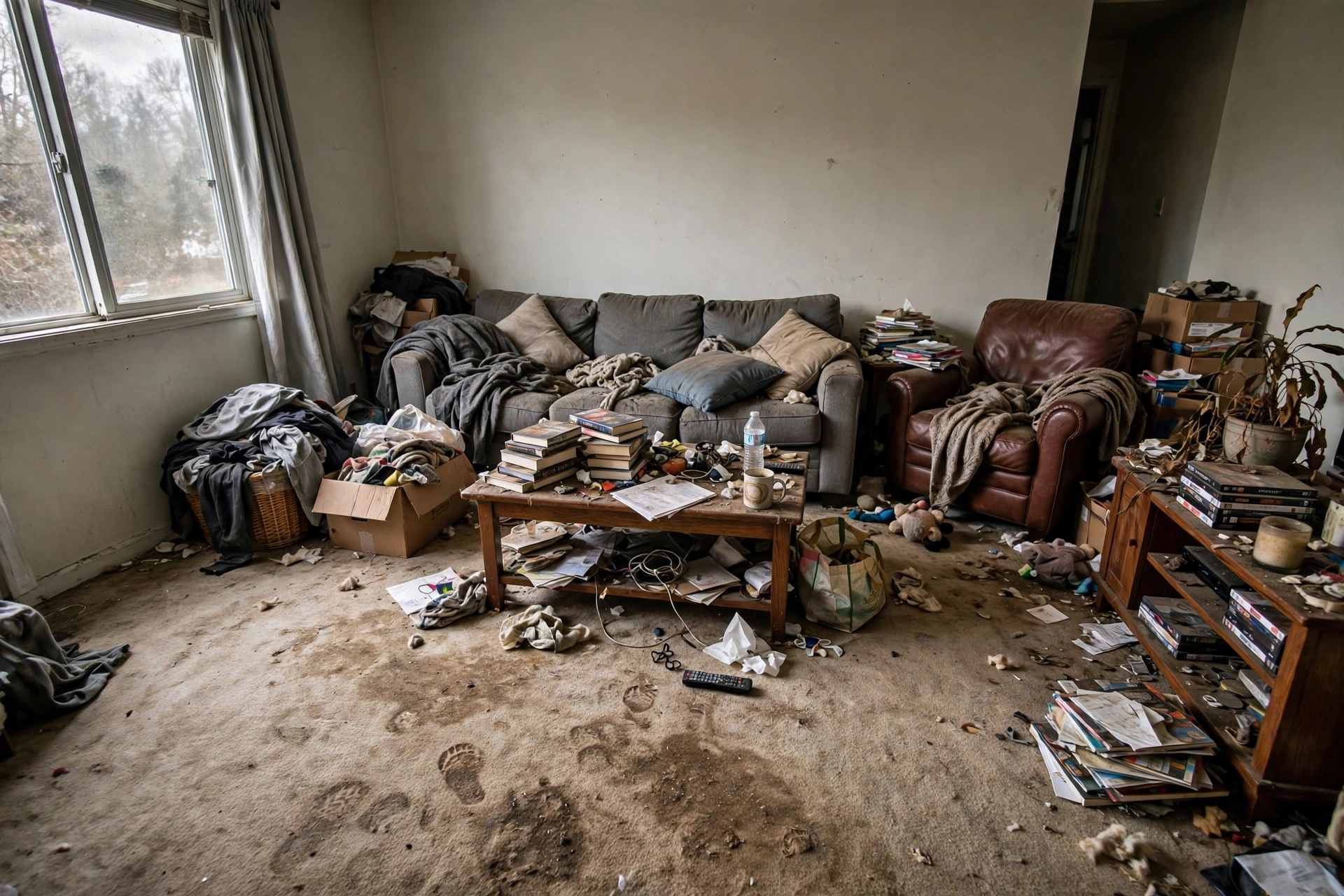
Because Alhambra properties include older central homes on slab, with stucco walls, tile floors and varied additions, the plan has to fit the room in front of the crew: which floors and walls were soaked, whether water moved under doors or into adjoining rooms, and where drains, fixtures and low points sit in that building. Surfaces in Alhambra include stucco, tile and slab, with older bathrooms beside bedrooms, and each material is treated according to how it holds water, with grout lines, joints and lower wall sections checked as routes for contamination. In Alhambra, contaminated water is handled differently from clean water damage: material that soaked up drain water is assessed for removal, hard surfaces are disinfected, and drying is checked rather than assumed. In Alhambra, older slab drains and additions where joints and low bathrooms show backups first, which means a backup can surface at a second fixture and in a room beside the first wet room, so adjoining rooms are checked as a matter of routine.
Properties in Alhambra bring a particular mix of age, layout and plumbing to a sewage job. central streets of older homes, small businesses and additions built over time. When a drain backs up here, water does not always stay where it first appears: it follows low points, door thresholds and floor joints, and it can soak materials that look dry on the surface while holding contamination underneath. Older and newer properties in Alhambra sit side by side in places, so a crew in Alhambra does not assume one age or one plumbing style for every address on the same street. Temperature inside a closed room in Alhambra can rise quickly in warm weather, which is one reason the room is contained and assessed promptly rather than left sealed for days. Materials in Alhambra decide much of the plan, since stucco, tile and slab, with older bathrooms beside bedrooms hold water and contamination in different ways, and a method that suits a sealed hard floor does not suit a porous floor or a lower wall section.
In Phoenix, the season changes the job, with humid summers and storm-season rain in Dallas and extreme summer heat and monsoon dust and rain in Phoenix. In Alhambra, warm conditions help odour and bacterial growth build in soaked material, so containment, careful airflow and thorough drying are part of the work, not an afterthought. In Alhambra, that local shape is visible in the way rooms connect: bathrooms beside bedrooms, laundry rooms beside kitchens, and lower rooms that collect water from more than one source, so a single backup is rarely a single-room incident. A clear written scope for a Alhambra property names the rooms, materials and drain routes included, so the household knows what was assessed, what was removed and what still needs plumbing or repair attention. Access and staging in Alhambra are settled early, because street and side-gate access, with containment adapted to additions and narrow passages, and a clear route protects clean rooms while contaminated material is removed from the affected rooms.
The work itself follows a steady order in Alhambra: contain the affected rooms so contamination does not travel, remove water and material that cannot be disinfected, clean and disinfect the surfaces that can be saved, and dry and check the space before it is handed back. street and side-gate access, with containment adapted to additions and narrow passages. Each step is explained in plain language for that property, including what was removed, what was disinfected, and what still needs attention from a plumber or builder where a drain or fixture fault remains. A backup in Alhambra that affects a kitchen or a laundry room changes daily life in the home, so the assessment also notes which rooms the household can still use safely while work is under way. Storm and monsoon patterns around Phoenix also shape timing in Alhambra: a backup that follows heavy rain may involve more than one water source, and the assessment separates drain water from rain entry before cleaning begins. Materials in Alhambra decide much of the plan, since stucco, tile and slab, with older bathrooms beside bedrooms hold water and contamination in different ways, and a method that suits a sealed hard floor does not suit a porous floor or a lower wall section.
Sewage and biological contamination cleanup in Alhambra: local factors
How Alhambra plumbing behaves in a backup
Drain behavior in Alhambra reflects older central homes on slab, with stucco walls, tile floors and varied additions. Shared runs, long runs and older lines each create different routes for water to travel, and low points in the building collect water first. When a drain backs up in Alhambra, the crew asks which fixtures were used just before the backup, because use upstream can push water into a room downstream on the same run. Storm or monsoon water in Phoenix can load a drain system in Alhambra quickly, so the assessment also notes whether the backup followed heavy rain or arrived on a dry day. In Alhambra, fixtures are checked in the order they backed up, because that order traces the drain run and shows which rooms sit downstream of the first problem. In Alhambra, a floor drain, a toilet and a shower on the same run can each show water at different times, and the assessment records all three rather than focusing on the first one seen.
Materials that hold contamination in Alhambra
Slab joints in Alhambra properties are checked as routes, since water can sit in a joint and affect the rooms on either side of it even when the slab surface looks dry. Material matters in Alhambra because stucco, tile and slab, with older bathrooms beside bedrooms are common here. Porous flooring and wall material near the floor can absorb contaminated water, and contamination can sit in joints and cavities long after the visible water is gone. Surfaces in Alhambra include stucco, tile and slab, with older bathrooms beside bedrooms. Those materials do not all respond the same way to sewage water: hard, sealed surfaces can often be cleaned and disinfected, while porous materials that have soaked up contaminated water are harder to make safe. In Alhambra, fixtures themselves are surfaces to assess: a toilet base, a shower tray and a laundry drain surround can each hold residue that needs cleaning and disinfection. In Alhambra, older central homes on slab, with stucco walls, tile floors and varied additions means the crew plans around the materials in the room, not a generic list. Tile grout, timber, carpet, drywall and slab joints each hold water differently, and a surface that looks dry can still be damp underneath.
Access and staging in Alhambra
In Alhambra, the waste route is agreed separately from the equipment route where possible, so material leaving the property does not pass through clean living space or shared resident areas unprotected. For a property in Alhambra, access shapes the day: street and side-gate access, with containment adapted to additions and narrow passages. A plan that ignores stairs, lifts, narrow passages or shared corridors will slow the work and risk spreading material. A narrow entry in Alhambra changes how containment is built, since barriers and equipment must fit the passage without blocking a fire exit or a shared walkway. In Alhambra, neighboring properties are considered in staging, so equipment, waste handling and vehicle placement do not block a neighbor's entry or a shared pavement. Access in Alhambra is planned around street and side-gate access, with containment adapted to additions and narrow passages. Equipment, waste handling and containment all have to move through the same entries residents and neighbors use, so the route is agreed before work starts.
Low points and adjoining rooms in Alhambra
In Alhambra, the rooms to check depend on layout: older central homes on slab, with stucco walls, tile floors and varied additions. Bathrooms and laundry rooms are common starting points, but hallways, bedrooms and storage rooms beside them are checked too. Rooms above an affected room in Alhambra are noted too, because a backup that affects a shared stack can show signs on more than one level of a building. In Alhambra, a hallway is not treated as a passage to ignore: water can travel along a hallway floor and into rooms off that hallway, so hallways on the affected floor are checked. Low rooms and rooms beside bathrooms deserve particular attention in Alhambra, where older slab drains and additions where joints and low bathrooms show backups first. A lower room can collect water that started elsewhere, and a room beside a bathroom can be affected through a shared wall or floor. In Alhambra, a garage or parking-level room near a drain can collect water from a backup, and that room is checked where it sits on the same drain system as the home.
What sewage and biological contamination cleanup covers in Alhambra
Sewage and biological contamination cleanup covers rooms affected by sewage backups, drain overflow, toilet overflow and water that has passed through drains or sewers and carries biological material. In Alhambra, the scope also notes which rooms the household can still use safely while work is under way, so daily life in the home is disrupted as little as possible. Items that cannot be disinfected are removed through a proper waste route, not placed in ordinary household waste, and that removal is recorded room by room. It covers bathrooms, kitchens, laundry rooms, utility rooms, hallways, bedrooms and storage rooms where sewage water has spread, and the materials in those rooms. The work also covers the routes water took through the property: drain runs, floor joints, grout lines, slab joints and low points where contamination can sit after visible water is gone. The scope for a Alhambra job is written for that address, with the rooms, materials and drain routes for that property, not copied from another home on the same street. In Alhambra, the assessment notes whether a backup affected one fixture or several, because a multi-fixture incident changes the number of rooms included in the scope. Service covers only the 15 verified neighborhoods in Phoenix, with coverage checked by ZIP.
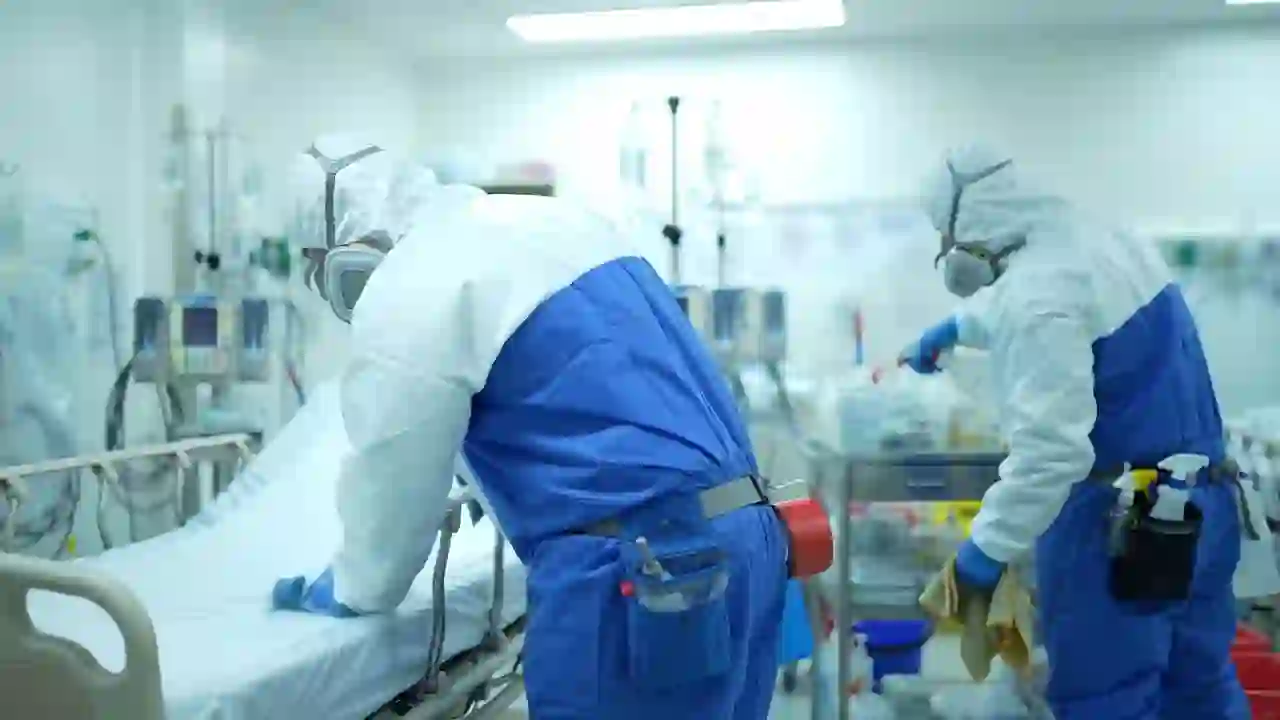
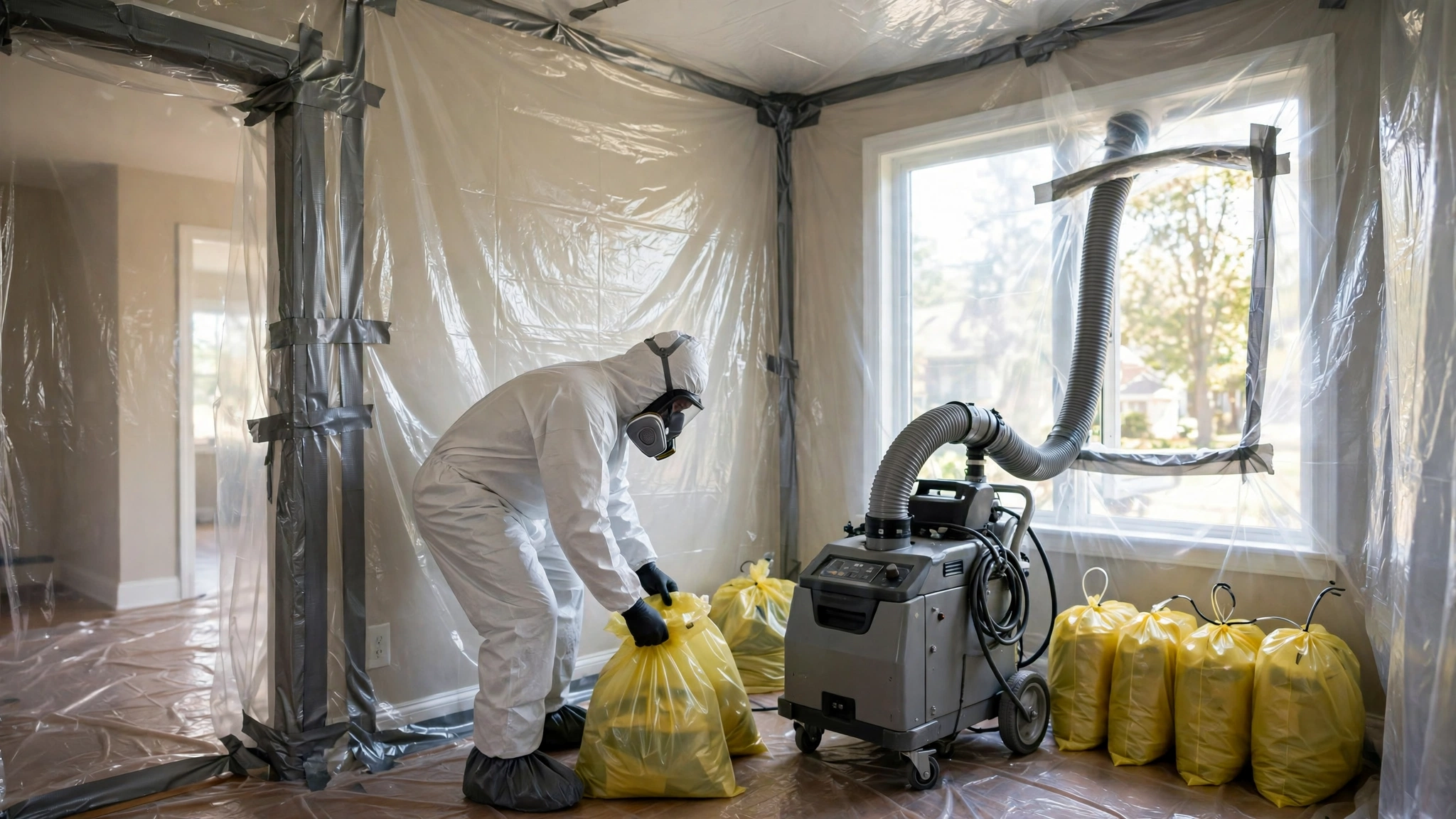
Illustrative image, not a specific customer job.Illustrative image, not a specific customer job.Illustrative image, not a specific customer job.Illustrative image, not a specific customer job.
How sewage and biological contamination cleanup is done in Alhambra
1. Assess the affected rooms and trace the water
In Alhambra, the assessment ends with a clear boundary: which rooms are affected, which are not, and what needs to happen next in each affected room. Fixtures, drains, low points, adjoining rooms and the materials in each room are noted in Alhambra, and that map guides containment, removal and disinfection. In Alhambra, the assessment records which materials were soaked, so later decisions about disinfection or removal are based on the room itself, not on a general rule. The assessment in Alhambra also notes access and staging, since street and side-gate access, with containment adapted to additions and narrow passages, and that note shapes how the rest of the work is carried out.
2. Contain the area so contamination does not travel
street and side-gate access, with containment adapted to additions and narrow passages in Alhambra, and that access plan is part of containment, because a careless route can undo the protection of a closed room. Containment also covers the rooms beside the affected rooms in Alhambra, since those rooms are checked and protected until their status is clear. Doorways and passages in Alhambra are managed so contaminated water and air do not move into the rest of the building during the work. In Alhambra, shared corridors and entries are protected where a crew must pass them, so neighbors and other residents are not exposed to the work area.
3. Remove contaminated water and material that cannot be saved
In Alhambra, cabinets and fixtures that were soaked are assessed before removal, since a fixture that can be disinfected should not be removed on assumption. Removal in Alhambra is done in a way that keeps dust and water from spreading, with the affected rooms kept closed while material is taken out. The order of removal in Alhambra follows the assessment map, room by room, so the most contaminated material is handled first and clean rooms stay clean. Contaminated material in Alhambra is not placed in ordinary household waste, and the household is told what left the property and why.
4. Clean and disinfect what can be saved
Surfaces in Alhambra include stucco, tile and slab, with older bathrooms beside bedrooms, and each surface is cleaned and disinfected according to how it holds water and contamination. In Alhambra, a surface is disinfected after cleaning, and the sequence is repeated where the first pass shows residue or staining remains. Remaining floors, walls, fixtures and hard surfaces in Alhambra are cleaned and then disinfected, with attention to the places water actually reached. A hard floor in Alhambra that looks clean after wiping is still disinfected in full, including joints and edges, before it is described as treated.
5. Dry the rooms and check for hidden moisture
Where drying in Alhambra reveals further damp or staining, that area is cleaned and disinfected again before the room moves to handover. In Alhambra, older slab drains and additions where joints and low bathrooms show backups first and warm conditions can leave moisture in joints and cavities, so drying focuses on those routes as well as on open floor areas. Drying in Alhambra is checked, not assumed, because warm conditions can leave moisture in flooring, wall cavities and joints after the surface looks dry. Different materials in Alhambra dry at different rates, since stucco, tile and slab, with older bathrooms beside bedrooms hold and release moisture differently, and drying is checked per material, not per room alone.
6. Hand back with a plain-language summary and next steps
The summary for a Alhambra property is written for that address, with the rooms, materials and drain routes for that home, not as a generic note. In Alhambra, handover includes guidance on which drains and fixtures to avoid using until a plumbing fault is repaired, where such a fault was found. Rooms in Alhambra are described as ready to use or as needing further work, so the household is not left guessing about which rooms are safe. A handover in Alhambra also notes items that were removed and items that were disinfected, so belongings are accounted for room by room.
Warning signs to call about
Flooring, lower walls or fixtures that have been soaked by drain water in Alhambra, even when the water has drained away, still need assessment, because contamination can remain in porous material and joints. In Alhambra, that sign is checked against older central homes on slab, with stucco walls, tile floors and varied additions.
Water appearing in a shower tray when a toilet is flushed in Alhambra can indicate a shared drain problem, and that room should be kept closed until the drain route is assessed. In Alhambra, that sign is read alongside older slab drains and additions where joints and low bathrooms show backups first.
Soft furnishings, stored items or cabinets that were standing in drain water in Alhambra should be treated as contaminated until assessed, because porous material absorbs water and cannot be made safe by wiping the surface. In Alhambra, that sign is checked in rooms with stucco, tile and slab, with older bathrooms beside bedrooms.
Damp patches on a lower wall in Alhambra beside a bathroom can indicate water that traveled through a wall or floor joint, even when the bathroom floor itself looks dry. In Alhambra, that sign is assessed with street and side-gate access, with containment adapted to additions and narrow passages in mind.
In Alhambra, a floor drain that bubbles or releases water during heavy rain can indicate a system under strain, and the rooms served by that drain should be checked. In Alhambra, that sign is checked against older central homes on slab, with stucco walls, tile floors and varied additions.
Staining, dark water marks or a persistent damp smell in a bathroom, laundry room or lower room in Alhambra after a storm or monsoon event can indicate sewage water reached further than the first visible puddle. In Alhambra, that sign is read alongside older slab drains and additions where joints and low bathrooms show backups first.
What to do first
Do not run a washing machine or dishwasher into a drain system in Alhambra that is backing up, because that use can add water to rooms that are already affected. In Alhambra, that step is applied to older central homes on slab, with stucco walls, tile floors and varied additions.
Check whether any other room in Alhambra shows water, damp or smell, and note those rooms for the assessment, since a backup can affect rooms beside the first wet room. For a property in Alhambra, that step follows central streets of older homes, small businesses and additions built over time.
If a room in Alhambra has standing water near electrical outlets or appliances, keep clear of that water and do not switch on equipment in the affected room. In Alhambra, that step is planned around street and side-gate access, with containment adapted to additions and narrow passages.
Move clean items that are near, but not in, the affected rooms in Alhambra only if that can be done without crossing contaminated water, and leave items that were in the water where they are. For Alhambra homes, that step takes account of stucco, tile and slab, with older bathrooms beside bedrooms.
Photograph the affected rooms from the doorway in Alhambra only if that can be done without stepping into contaminated water, since a record of water extent helps the assessment. In Alhambra, that step is applied to older central homes on slab, with stucco walls, tile floors and varied additions.
Do not attempt to clear a sewage backup in Alhambra with household drain products while water is standing in a room, since that can add chemicals to contaminated water without clearing the backup. For a property in Alhambra, that step follows central streets of older homes, small businesses and additions built over time.
Leave soaked items where they are rather than moving them into clean rooms, and do not place contaminated material in ordinary household waste, so the crew can assess and remove it through the proper route. In Alhambra, that step is planned around street and side-gate access, with containment adapted to additions and narrow passages.
When sewage and biological contamination cleanup is needed in Alhambra
For example, a household in Alhambra might discover an older central home where a bathroom backup spread into a bedroom. In Alhambra, the household is given a plain summary naming which rooms were affected, what was removed, what was disinfected and what still needs plumbing attention. Drying in Alhambra is checked in the materials actually present, since stucco, tile and slab, with older bathrooms beside bedrooms dry at different rates and can hold moisture after the surface looks dry. In Alhambra, items standing in the water are assessed where they are, so soaked items are not carried into clean rooms while the household waits.
For example, a household in Alhambra might notice a home with an addition where a drain overflow reached a converted room during a normal day at home. In Alhambra, items standing in the water are assessed where they are, so soaked items are not carried into clean rooms while the household waits. Warm conditions in Phoenix mean the rooms in Alhambra are contained promptly, rather than left sealed while odour builds in damp material. Hard surfaces in Alhambra are cleaned and disinfected after removal, with grout lines, joints and lower wall sections treated as part of the surface.
For example, a household in Alhambra might find a kitchen and bathroom pair in an older home where a backup soaked both floors after a storm or monsoon downpour, when drains were already under strain. The plan for Alhambra respects older central homes on slab, with stucco walls, tile floors and varied additions, since shared runs, long runs and low rooms change which rooms are checked next. Warm conditions in Phoenix mean the rooms in Alhambra are contained promptly, rather than left sealed while odour builds in damp material. In Alhambra, that incident is handled by closing the affected rooms first, so the household does not walk through contaminated water to reach other parts of the home.
Scenarios above are hypothetical illustrations, not real customer jobs.
Sewage and biological contamination cleanup in Alhambra: questions people ask
Does storm or monsoon rain in Phoenix change a sewage cleanup in Alhambra?
Containment in Alhambra comes before moving items or drying when rain is involved, so added water and dust do not spread contamination further through the home. In Alhambra, the handover after a storm-related incident names whether rain entry, drain backup or both were involved, so later repair work addresses the right source. Seasonal patterns in Phoenix therefore change the assessment in Alhambra, even when the cleaning steps themselves follow the same order. The assessment in Alhambra checks whether water came only from a drain backup or also from rain entry, because the two sources can affect different rooms and materials.
How do I know sewage water reached further than the room I can see in Alhambra?
A room beside a bathroom, a hallway or a lower room can be affected even when the first puddle was in one place, which is why an assessment walks adjoining rooms. In Alhambra, the first wet room is a starting point, not a boundary, and the crew does not describe a job as contained until adjoining rooms have been checked. The written scope for a Alhambra job names every room found to be affected, so the household knows the full extent of the work. Checking joints and low sections in Alhambra matters, because a surface that looks dry can still hold moisture underneath.
How long does drying take after sewage cleanup in Alhambra?
Drying time in Alhambra depends on which materials were soaked, how far water traveled and the temperature and humidity inside the rooms, not on a single standard period. Drying equipment in Alhambra is used in a controlled way, so air movement does not blow contaminated dust or air through the rest of the home. Warm conditions in Phoenix can help drying in Alhambra but also encourage odour in damp material, so controlled drying matters more than speed alone. In Alhambra, the household is told which rooms are still drying and which are ready to use, so no room is used before its drying checks are complete.
What comes after cleanup in Alhambra if a drain fault remains?
In Alhambra, the crew does not describe a room as fully restored until contamination, drying and any named drain fault have each been addressed in order. In Alhambra, flooring or wall repair after drying should wait until the drain fault is addressed, since a second backup would damage new finishes. A plumber in Alhambra benefits from the assessment note, which names the fixtures, the order they backed up and the rooms affected. In Alhambra, a fault that affects a shared drain run may need building or neighbor coordination, and that need is named in the handover where it applies.
What should I do about drains and toilets in Alhambra while waiting for an assessment?
An assessment in Alhambra will confirm which fixtures can be used again and which must wait for plumbing attention, room by room. A toilet in Alhambra that has overflowed should be left unused until the assessment, even when the visible water has drained away. In Alhambra, running a washing machine or dishwasher into a backing-up system can add water to affected rooms, so that use should wait until the system is assessed. Do not try to clear a sewage backup in Alhambra with household drain products while water is standing in a room, since that can add chemicals without clearing the backup.
What happens to soaked furniture, carpet and stored items in Alhambra?
Hard, non-porous items in Alhambra that can be cleaned and disinfected are treated in place or after careful removal, while soft and porous items that absorbed sewage water are more likely to be removed. Removed items in Alhambra leave through the agreed waste route, not through clean living space, and the removal is recorded for the household. Carpet, bedding and cardboard storage in Alhambra that stood in drain water absorb water quickly, and disinfection cannot reliably reach inside those materials. In Alhambra, a household should not move soaked items into a garage or a clean room while waiting, since that move can create a second contaminated area.
Sewage and biological contamination cleanup in nearby areas