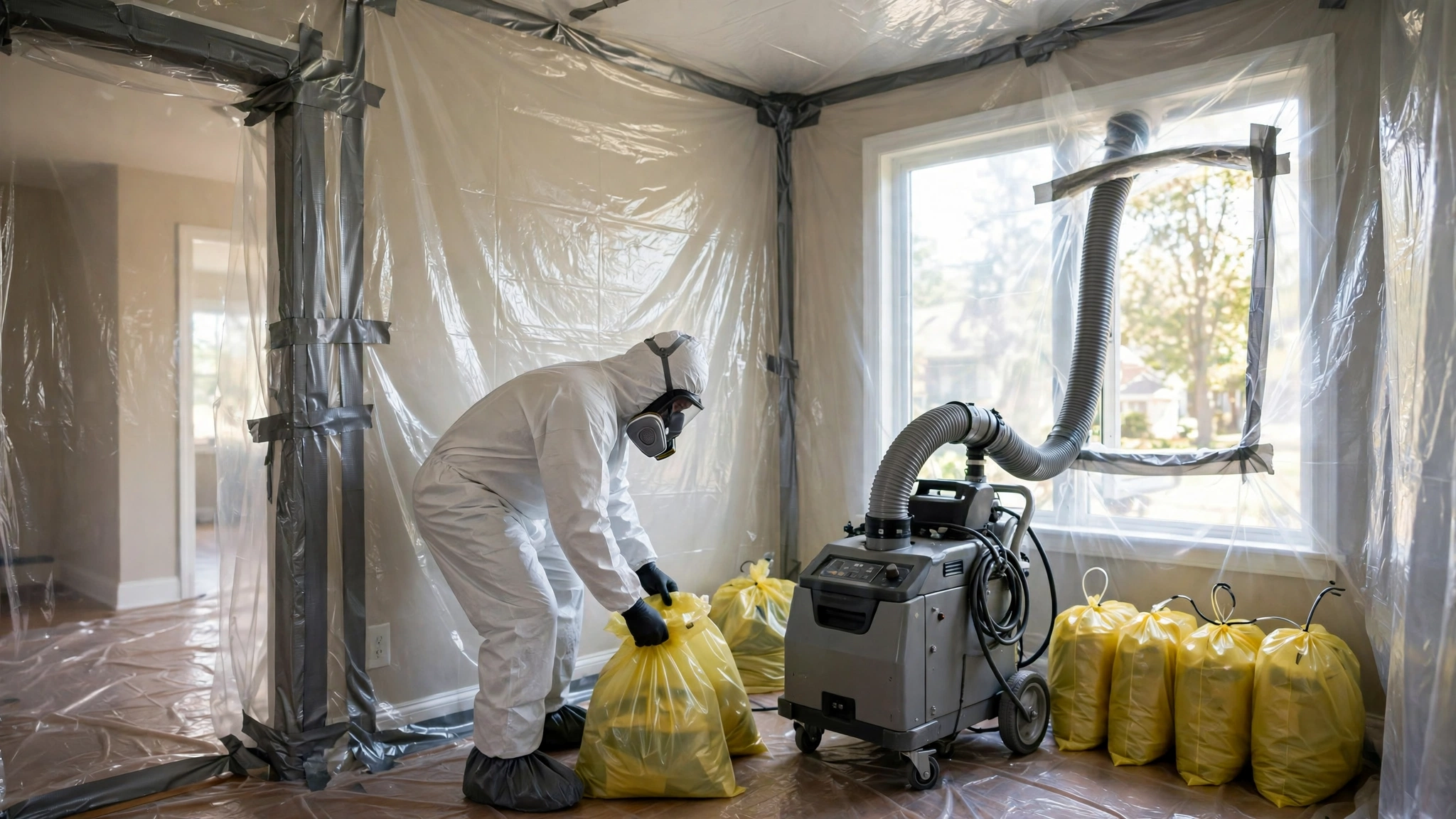
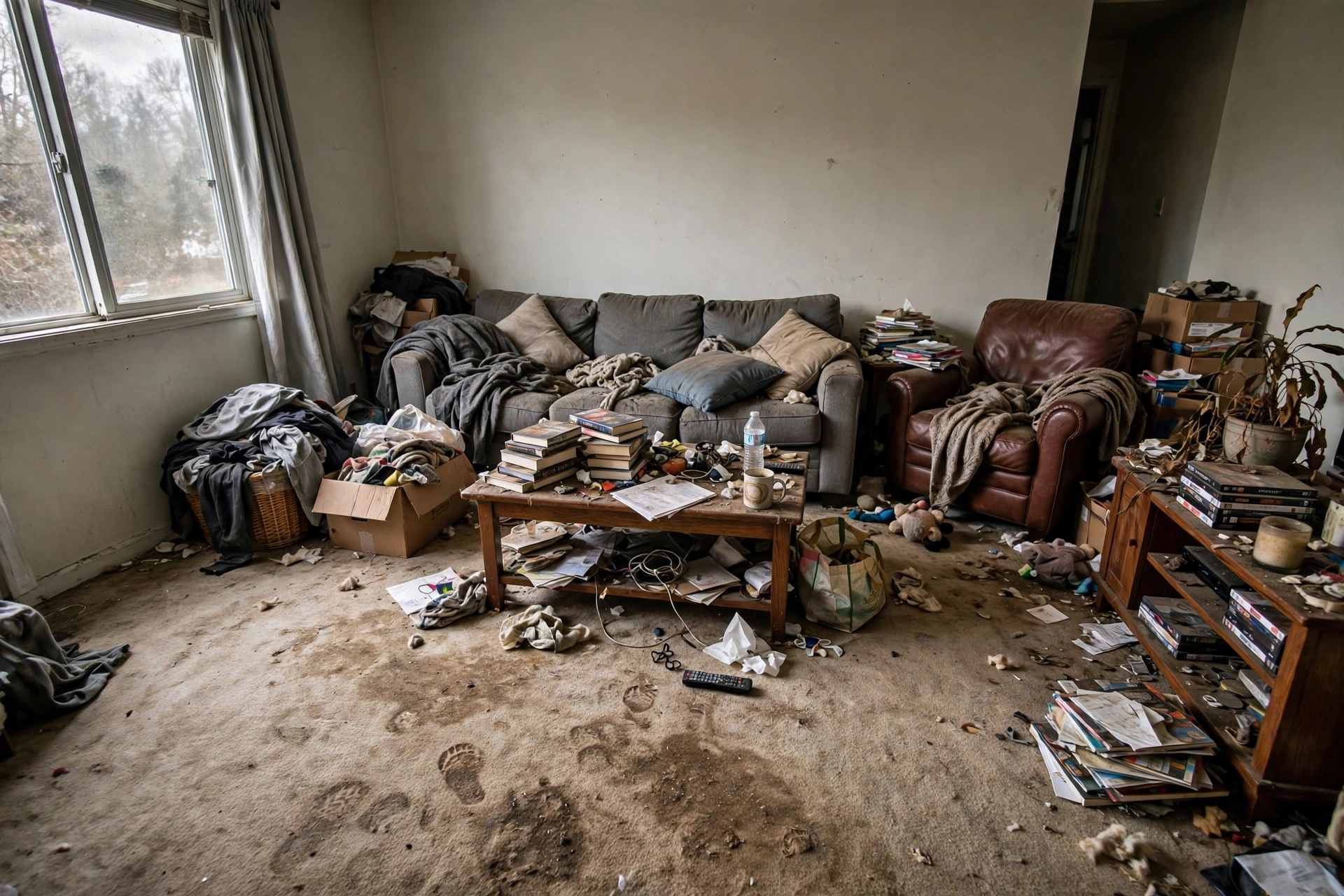
Hoarding-related biohazard cleanup in Roosevelt Row addresses homes where accumulation has created a biological hazard, not simply clutter: waste, animal waste, decayed material, and sanitation that no longer works. The work is planned room by room, with contaminated material removed through a proper waste route, surfaces that can be saved disinfected, and the household involved in decisions about belongings throughout. To start in Roosevelt Row, keep the affected rooms closed, do not attempt to sort contaminated piles without protection, and arrange a first assessment so the scope, the order of rooms, and the handling of kept items are agreed in writing before work begins.
In Roosevelt Row, Phoenix, downtown lofts and apartments shape daily life, and when accumulation takes hold in such a home, the pattern of rooms matters as much as the volume of material. The layout, loft floors with open plans and freight access, means that contamination rarely stays in one place: waste and decay in one room affect the rooms beside it, and blocked pathways change how the whole home is used. Hoarding-related biohazard cleanup here therefore starts with the home as it actually is in Roosevelt Row, mapping every room before any clearing, and agreeing which rooms the household needs first. With downtown lofts and apartments common in Roosevelt Row, the plan names which rooms are tackled first and which rooms stay usable, so the household is never left without a safe space. In Roosevelt Row, that means the first conversation covers rooms, access, and kept items together, rather than treating clearing as a separate task from planning.
A respectful cleanup also protects relationships. Adult children worry about a parent living alone, partners disagree about what should go, and tenants fear eviction notices tied to the state of a property. The crew's role is not to settle those disagreements but to give everyone a clear, factual picture: which rooms are contaminated, what must be removed for safety, what can be kept and cleaned, and what the next stage will involve. Written notes after each stage help families and property managers make decisions without relying on memory or rumor. The setting in Roosevelt Row is an arts district of lofts and small businesses, which affects how waste is carried out, where vehicles wait, and how discreetly the visit can be arranged. Daily life in Roosevelt Row centers on an arts district of lofts and small businesses, and a cleanup plan here respects that rhythm, keeping disruption to shared spaces as low as possible. For homes in Roosevelt Row, that general picture is then fitted to the actual rooms, so the plan reflects loft floors with open plans and freight access rather than a generic layout.
Communication is part of the service, not an extra. A short summary after each stage says which rooms were finished, what was removed, what was disinfected, and what remains for the next visit. If something unexpected appears, such as flooring damage under a pile or a plumbing blockage behind a bathroom wall, it is reported before the plan changes, so the household is never surprised by a new stage. That record also helps when a property manager, insurer, or family member needs to understand what happened. Because Roosevelt Row homes often have loft floors with open plans and freight access, the first walk-through looks at every room in turn, including storage areas that are easy to overlook. In Roosevelt Row, Phoenix, downtown lofts and apartments shape the work, because loft floors with open plans and freight access change how rooms connect and where accumulated material tends to collect. In Roosevelt Row, the household can see that approach working in the first finished room, which often changes how the rest of the job feels.
Hoarding-related biohazard cleanup in Roosevelt Row: local factors
Stucco, slab, and tile surfaces in Roosevelt Row
Valley construction means stucco walls, slab floors, and tile are everywhere, and each holds contamination in its own way. Tile grout traps waste that a mop cannot lift, slab joints collect material at the edges of rooms, and porous stucco near floor level absorbs splashes and waste. A Phoenix assessment checks grout lines, slab edges, and wall bases as contamination routes rather than trusting a wiped surface, and says plainly which tile can be disinfected and which grout and soft material must go. Access in Roosevelt Row usually means alley and loading-zone entry, so the staging plan is agreed before anything is moved, and the route through the home is kept clear and contained. Because Roosevelt Row homes often have loft floors with open plans and freight access, the first walk-through looks at every room in turn, including storage areas that are easy to overlook. For a household in Roosevelt Row living among downtown lofts and apartments, that means the stage plan names this factor explicitly, rather than treating it as background.
Desert heat in closed rooms in Roosevelt Row
Phoenix summer heat above 110 degrees Fahrenheit transforms a closed, cluttered room quickly. Odor intensifies, decayed material breaks down faster, and a room that could wait in a cooler climate becomes harder to work in with each passing week. The crew therefore plans around heat: rooms are contained promptly, work is staged so no room sits sealed and worsening through the hottest stretch, and finished rooms are checked in the heat rather than assumed clean from a cooler morning visit. The setting in Roosevelt Row is an arts district of lofts and small businesses, which affects how waste is carried out, where vehicles wait, and how discreetly the visit can be arranged. Daily life in Roosevelt Row centers on an arts district of lofts and small businesses, and a cleanup plan here respects that rhythm, keeping disruption to shared spaces as low as possible. For a household in Roosevelt Row living among downtown lofts and apartments, that means the stage plan names this factor explicitly, rather than treating it as background.
Kitchens and bathrooms under strain in Roosevelt Row
In a hoarded Phoenix home, kitchens buried under packaging and decayed food and bathrooms blocked by stored items are the rooms where health risks concentrate. Desert heat intensifies odor from both, and a bathroom that cannot be used pushes washing and sanitation into other rooms, spreading the problem. The staged plan usually restores a working bathroom and a usable kitchen early, because safe washing and cooking change daily life more than any other single step. Because Roosevelt Row homes often have loft floors with open plans and freight access, the first walk-through looks at every room in turn, including storage areas that are easy to overlook. With downtown lofts and apartments common in Roosevelt Row, the plan names which rooms are tackled first and which rooms stay usable, so the household is never left without a safe space. For a household in Roosevelt Row living among downtown lofts and apartments, that means the stage plan names this factor explicitly, rather than treating it as background.
Ventilation and cooling systems in Roosevelt Row
Phoenix homes depend on cooling systems, and a cluttered home often has blocked vents, covered returns, and filters choked with dust. Running the cooling system during clearing can pull dust and odor from a work room into every bedroom, so containment includes the air path: vents in work rooms are covered, doors stay shut, and finished rooms are aired on their own. The household is told which rooms the system can safely serve at each stage, so clean rooms stay clean. Daily life in Roosevelt Row centers on an arts district of lofts and small businesses, and a cleanup plan here respects that rhythm, keeping disruption to shared spaces as low as possible. In Roosevelt Row, Phoenix, downtown lofts and apartments shape the work, because loft floors with open plans and freight access change how rooms connect and where accumulated material tends to collect. For a household in Roosevelt Row living among downtown lofts and apartments, that means the stage plan names this factor explicitly, rather than treating it as background.
What hoarding-related biohazard cleanup covers in Roosevelt Row
The scope of hoarding-related biohazard cleanup is the biological hazard inside the accumulation, not the volume of belongings alone. A home with many books and boxes but no waste, decay, or blocked sanitation is a different job from a home where waste has soaked into carpet, animal waste sits under piles, and a bathroom cannot be used. This service addresses the second kind of home: contaminated material is removed, affected surfaces are disinfected or removed where disinfection cannot reach, and rooms are checked before they return to use. Households are involved at each decision point, so nothing of personal value is treated as waste by default. Access in Roosevelt Row usually means alley and loading-zone entry, so the staging plan is agreed before anything is moved, and the route through the home is kept clear and contained. Because Roosevelt Row homes often have loft floors with open plans and freight access, the first walk-through looks at every room in turn, including storage areas that are easy to overlook. In Roosevelt Row, the coverage above is applied room by room, so the household can see which rooms need removal work, which need disinfection only, and which are already safe. Coverage on this site is limited to the 15 verified Phoenix neighborhoods, with coverage confirmed by ZIP.
Illustrative image, not a specific customer job.Illustrative image, not a specific customer job.Illustrative image, not a specific customer job.Illustrative image, not a specific customer job.
How hoarding-related biohazard cleanup is done in Roosevelt Row
1. Assessment and agreement
Assessment looks at the whole property, not just the worst room. Kitchens, bathrooms, bedrooms, storage areas, and garages are each checked for waste, decay, blocked fixtures, and flooring damage, and the household is asked about items of personal value in each space. The result is a room-by-room picture that lets the plan start where it helps most, rather than where it looks worst from the doorway. In Roosevelt Row, this stage is planned around alley and loading-zone entry, so the work fits the property rather than forcing a generic sequence.
2. Containment and safe setup
Containment is set up room by room so the rest of the home stays usable. The crew agrees the entry route, protects shared corridors and flooring along the way, and keeps dust and material from traveling into clean spaces. Waste bags and containers are staged at the agreed exit, and the household knows which rooms are work zones and which rooms remain safe to use. In Roosevelt Row, this stage is planned around alley and loading-zone entry, so the work fits the property rather than forcing a generic sequence.
3. Staged removal of contaminated material
Each stage removes a defined set of material from a defined room, so progress can be seen and checked rather than guessed at. Contaminated items leave through the agreed route, kept items are protected and stored for household review, and the room is left empty enough for disinfection rather than half-cleared and revisited. That discipline is what keeps a long job from becoming a series of unfinished rooms. In Roosevelt Row, this stage is planned around alley and loading-zone entry, so the work fits the property rather than forcing a generic sequence.
4. Cleaning and disinfection
Cleaning in this stage is methodical rather than cosmetic. Floors are treated across their full area, including edges and corners where waste collected, wall bases are cleaned where splashes and waste reached them, and bathroom and kitchen fixtures are disinfected so washing and cooking can resume safely. The crew works from the least contaminated areas of the room toward the most affected, so clean sections are not recontaminated during the work. In Roosevelt Row, this stage is planned around alley and loading-zone entry, so the work fits the property rather than forcing a generic sequence.
5. Room-by-room check and handover
The room-by-room check protects the household from the most disappointing outcome in hoarding work: a home that looks emptier but is not actually safe. Surfaces are inspected, storage spaces opened during the work are rechecked, and pathways, exits, and doorways are confirmed usable. If the check finds a remaining problem, it is dealt with in that room before the crew moves on, rather than discovered weeks later. In Roosevelt Row, this stage is planned around alley and loading-zone entry, so the work fits the property rather than forcing a generic sequence.
6. Summary and next stages
Next stages are agreed, not assumed. The household reviews the summary, confirms which room comes next, and updates the kept-item decisions if experience has changed its mind. That rhythm, one finished room and one agreed next step, is what carries a long cleanup to completion without the household feeling that the job has taken over the home. In Roosevelt Row, this stage is planned around alley and loading-zone entry, so the work fits the property rather than forcing a generic sequence.
Warning signs to call about
Rooms cannot be entered, cleaned, or assessed normally, because pathways are blocked, doorways are narrowed by piles, or floors are hidden under layers of material. In Roosevelt Row, where homes are often downtown lofts and apartments, that pattern is shaped by loft floors with open plans and freight access.
Sleeping areas are lost to accumulation, with beds, floors, or exits blocked, so residents sleep in chairs, in other rooms, or in spaces never meant for sleeping. In Roosevelt Row, where homes are often downtown lofts and apartments, that pattern is shaped by loft floors with open plans and freight access.
Pest activity is visible or audible in living areas, storage rooms, or wall cavities, often tracking back to food waste, packaging, and nesting material inside piles. In Roosevelt Row, where homes are often downtown lofts and apartments, that pattern is shaped by loft floors with open plans and freight access.
Staining, discoloration, or soft and damaged flooring appears where waste or moisture has sat, including under piles, around fixtures, and along wall bases. In Roosevelt Row, where homes are often downtown lofts and apartments, that pattern is shaped by loft floors with open plans and freight access.
A property manager, family member, or housing inspection has flagged the condition of the home, and the household wants a factual, respectful plan rather than a rushed clear-out. In Roosevelt Row, where homes are often downtown lofts and apartments, that pattern is shaped by loft floors with open plans and freight access.
Children, older adults, or people with health conditions live in or visit the home, and the combination of waste, pests, and blocked sanitation raises the risk for them first. In Roosevelt Row, where homes are often downtown lofts and apartments, that pattern is shaped by loft floors with open plans and freight access.
What to do first
Set aside a clean room or area where kept items can be reviewed safely, away from contamination, so decisions about belongings do not happen inside a work zone. In Roosevelt Row, this step is planned around alley and loading-zone entry.
Avoid moving piles, sorting contaminated material, or trying to wash soiled areas with household products, because handling and wiping can spread contamination and expose the person doing it. In Roosevelt Row, this step is planned around alley and loading-zone entry.
Agree within the household, as far as possible, who will make decisions about kept items and who should be present during assessment, so decisions are not improvised on the day. In Roosevelt Row, this step is planned around alley and loading-zone entry.
Be ready to describe how long the situation has developed, whether animals live in the home, and whether any rooms have had water damage, because those facts shape the staged plan. In Roosevelt Row, this step is planned around alley and loading-zone entry.
Ask on the first call how privacy will be handled, including visit timing, waste routes, and who is present, so the household can raise any concern before work begins. In Roosevelt Row, this step is planned around alley and loading-zone entry.
If the property is rented or managed, check the tenancy or management arrangements and tell the crew who the decision-maker is, so the plan and summary reach the right person. In Roosevelt Row, this step is planned around alley and loading-zone entry.
When hoarding-related biohazard cleanup is needed in Roosevelt Row
For example, a neighbor's concern might prompt a household in Roosevelt Row to seek help, after odor and pest activity from downtown lofts and apartments become noticeable in shared spaces. The household agrees to an assessment on the understanding that visit timing and waste routes will be discreet, and that shared-wall issues such as plumbing or pests will be discussed with the household first. Stages focus first on the rooms causing the shared problem, then on restoring the home's own kitchen, bathroom, and bedrooms to safe use. For a household in Roosevelt Row, that example shows why the staged plan, the privacy agreement, and the room-by-room checks matter more than speed alone.
For example, an executor might arrange cleanup for a relative's home in Roosevelt Row, where downtown lofts and apartments holds decades of belongings mixed with waste, decayed food, and animal-related contamination in back rooms. The family lives elsewhere and cannot sort the property in person, so assessment records kept items, documents, and photographs for family review, and summaries after each stage let relatives decide from a distance. The work proceeds respectfully, with nothing of apparent value removed without a family decision. For a household in Roosevelt Row, that example shows why the staged plan, the privacy agreement, and the room-by-room checks matter more than speed alone.
For example, a family might act after a hospital stay, when an older relative in Roosevelt Row is due home to downtown lofts and apartments and the discharge plan requires a safe bedroom, a working bathroom, and clear pathways. Assessment prioritizes exactly those rooms, with contamination removed, surfaces disinfected, and pathways confirmed clear before the return date where the staged plan allows. Later stages address storage and secondary rooms, so the homecoming is not delayed by work that can safely wait. For a household in Roosevelt Row, that example shows why the staged plan, the privacy agreement, and the room-by-room checks matter more than speed alone.
Scenarios above are hypothetical illustrations, not real customer jobs.
Hoarding-related biohazard cleanup in Roosevelt Row: questions people ask
How does hoarding-related biohazard cleanup work in Roosevelt Row?
Cleanup follows a fixed order inside each room: contain the room, remove contaminated material, disinfect what can be saved, and check the room before handover. General belongings are not treated as waste by default, and items flagged as kept are set aside for household review. Because the order is fixed, a room that is handed back is genuinely finished, rather than emptied in appearance while contamination remains in flooring, grout, or wall bases. Access in Roosevelt Row usually means alley and loading-zone entry, so the staging plan is agreed before anything is moved, and the route through the home is kept clear and contained.
Do I need to clear or sort anything before the crew arrives in Roosevelt Row?
The household does not need to tidy first, and in contaminated rooms tidying first can make matters worse by moving waste into clean areas. Leave rooms as they are, keep doors to the worst rooms closed, and note any keepsakes, documents, or medication that must be protected. The crew will agree categories for waste, kept items, and items needing a household decision before removal begins, so nothing is decided under pressure on the day. The setting in Roosevelt Row is an arts district of lofts and small businesses, which affects how waste is carried out, where vehicles wait, and how discreetly the visit can be arranged.
What happens to belongings the household wants to keep in Roosevelt Row?
Kept items are agreed before removal begins, during assessment, when the household or its representative names what counts as waste, what counts as kept, and what needs a second look. During each stage, flagged items are set aside for household review in a clean area, and uncertain items of apparent value are checked with the household before any decision. Nothing is removed on assumption, and the written summary after each stage records what was kept, what was removed, and what still awaits a decision. Because Roosevelt Row homes often have loft floors with open plans and freight access, the first walk-through looks at every room in turn, including storage areas that are easy to overlook.
How is privacy handled during a cleanup in Roosevelt Row?
Privacy is agreed before work starts, covering visit timing, the route waste takes out of the property, who is present, and what summary is shared and with whom. The crew works within those agreements, keeps the visit as low-key as the property allows, and does not discuss the home with neighbors or building occupants beyond what is strictly needed for access or safety. Households that feel embarrassment about the state of a home often find that this advance agreement matters as much as the cleaning itself. Daily life in Roosevelt Row centers on an arts district of lofts and small businesses, and a cleanup plan here respects that rhythm, keeping disruption to shared spaces as low as possible.
How long does a staged hoarding cleanup take in Roosevelt Row?
A staged cleanup deliberately takes the time each room needs, because rushing a room leaves contamination in flooring, grout, and wall bases. The first stage, assessment and the rooms the household needs most, often produces the biggest daily-life change, since a working bathroom and kitchen return early. Later stages then work through bedrooms, storage, and secondary spaces, and the household can pause between stages whenever it needs to, without losing the rooms already handed back. With downtown lofts and apartments common in Roosevelt Row, the plan names which rooms are tackled first and which rooms stay usable, so the household is never left without a safe space.
What if a bathroom or kitchen cannot be used at all in Roosevelt Row?
An unusable bathroom or kitchen is usually placed early in the staged plan, because safe washing and cooking affect health more than any other single factor. Assessment first establishes why the room cannot be used, whether the cause is blocked fixtures, stored material, plumbing failure, or contamination in flooring, and the stage for that room addresses the contamination so the household can arrange any separate plumbing or fixture attention with a clean, documented starting point. Until the room is handed back, the household plans washing and cooking around rooms that remain safe, and the crew says plainly which those rooms are. In Roosevelt Row, Phoenix, downtown lofts and apartments shape the work, because loft floors with open plans and freight access change how rooms connect and where accumulated material tends to collect.
Hoarding-related biohazard cleanup in nearby areas