Emergency help comes before cleanup in every case: call emergency services first if anyone is injured or at risk, and wait until investigators release the scene. The work covers the aftermath inside the home, not the investigation. It addresses material left in rooms, the surfaces it touched, and the question of what can safely stay and what must be removed. In South Mountain, Phoenix, AZ, the work is planned for homes like those found here: single-family homes near desert parkland and mountain slopes, with a mix of older and newer houses. Keep the space sealed, keep household members and animals away, and avoid switching on ventilation that connects that room to others. Tell the caller the neighborhood and the home type, list the rooms you know are involved, and confirm release, and the visit can be shaped around those facts.
A released scene in South Mountain is where this service begins. Emergency help and investigation come first, and once those stages are complete, the remaining work is inside the home. Tidying will not restore these rooms, because material on tile floors, stucco walls, grout, and soft furnishings, with desert dust present in many rooms and within soft furnishings, grout, and joints stays present after a surface looks wiped. The sections below describe the work for South Mountain homes specifically: the first steps, the local factors, the process, and the questions households in this neighborhood tend to ask. Local life in South Mountain is part of the planning, since a desert-edge area with mountain parkland, trails, and quiet residential streets, and a visit that respects that setting is easier for everyone in the building or on the street. Households in South Mountain benefit when guidance names their neighborhood and its homes, because the next steps then feel concrete rather than abstract. Households in South Mountain who receive a neighborhood-specific briefing can follow the work more easily, because rooms, surfaces, and access are described in terms that match their own home rather than a generic example.
In South Mountain, the local climate is a working factor, not background detail, because intense desert heat and dust from nearby desert land, with monsoon rain that runs off slopes toward homes. Warmth and dampness accelerate change in a closed room, which is why assessment and containment are handled promptly rather than left for days while odour builds. Containment and airflow planning keep the affected space apart from clean rooms, which protects occupants and neighbors while work is under way. Assessment in South Mountain therefore looks at routes, not only visible marks, because single-family homes near desert parkland and mountain slopes, with a mix of older and newer houses hide contamination in grout lines, joints, and porous items that appear clean after wiping. A room in South Mountain is therefore handed back only after climate-related checks, such as drying and odour, have been completed for that property. Households in South Mountain should expect climate-related checks at handover, including whether a room has dried properly, whether odour remains in porous material, and whether adjoining rooms show any sign of spread.
A calm, factual approach suits this subject, so the page describes work and choices, not incidents, and marks every scenario as hypothetical. Working room by room after release, the crew keeps unaffected parts of the home in use where safe, and closes the job with a written account of removals and disinfection. Households in South Mountain often have practical questions that go beyond cleaning: whether they need to be present, how a landlord or building manager is involved, what happens to an item that matters to the family, and how adjoining rooms are checked. Where release has not yet happened, waiting is the correct action, and the room should stay untouched until investigators confirm it is clear. Raising those practical questions early in South Mountain allows the plan to reflect the property, rather than forcing adjustments after work has begun. Households in South Mountain often ask about valued items, landlord or manager notification, and arrangements for children and pets, and those questions are easier to answer when they are raised before the crew arrives.
Crime scene cleanup in South Mountain: local factors
Housing and layout in South Mountain
The plan for South Mountain begins with its housing stock: single-family homes near desert parkland and mountain slopes, with a mix of older and newer houses, set out as homes with patios, garages, and rooms that open toward desert views, some on sloped or larger lots. Layout governs spread and movement: compact homes link zones together, larger homes allow separation, and the crew maps those connections before work starts. Furniture positions, doorways, and fixtures are noted, because a room is not only its floor: walls, fixtures, soft furnishings, and the edges where floors meet walls all need assessment, and the plan for South Mountain homes is built around those details rather than a single standard room shape. In South Mountain, that housing picture also means the crew checks how rooms were added or altered over time, since extensions and conversions can hide routes between rooms. In South Mountain, the crew explains the housing-based order to the household, so they understand why a neighboring room is checked before a distant room, and why some rooms may be cleared for use earlier than others.
Climate and season in South Mountain
Season and temperature shape the job in South Mountain, because intense desert heat and dust from nearby desert land, with monsoon rain that runs off slopes toward homes. Warm, damp, or hot sealed rooms need prompt containment and a drying check that is verified, not assumed, before the room returns to use. Rain and dust routes are checked as part of assessment in South Mountain, because storm and monsoon weather can add water or dust to rooms already needing work. For South Mountain, the season around an incident is part of the assessment conversation, including recent rain, dust, or heat that may have reached the rooms. In South Mountain, seasonal conditions also affect how the household should prepare for assessment, including keeping the affected room closed, avoiding ventilation into other rooms, and noting any recent rain, dust, or heat that may have changed the room since the incident.
Access and staging in South Mountain
Entry and movement in South Mountain are shaped by the property itself, where driveways, side gates, and garden paths, with some homes reached by longer drives from main roads. Those details decide where equipment is staged, which door is used, how waste leaves the property, and how corridors, lifts, or garden paths are protected. In a shared building, the plan must keep work inside one unit, protect shared corridors, and agree lift or loading-area use in advance, while in a detached home the route may run through a driveway, side gate, or garage, agreed before arrival so neighbors and other occupants are not surprised. For South Mountain properties, the access route is agreed with neighbors and shared spaces in mind, not only with the crew's convenience in mind. For South Mountain properties, access contingency is part of the plan, including alternative doors, lifts, or garden routes, and agreement about who to contact if the main route cannot be used on arrival.
Privacy and neighbors in South Mountain
In South Mountain, neighbors and visitors may notice a visit, since a desert-edge area with mountain parkland, trails, and quiet residential streets, which makes timing and route choices important. Advance agreement covers timing, entry, and presence, and movement is limited to agreed routes, with work confined to affected rooms wherever possible. Privacy does not mean secrecy about the work: a written handover account is still provided, while timing and routes respect concerns raised about neighbors, managers, visitors, or children. In South Mountain, privacy planning also covers children and visitors in the home, since a visit during a difficult time should not add disruption for people who live there. Privacy in South Mountain therefore extends to contact and handover arrangements, so the household controls who is told, who is present, and who receives the written record, while the work itself remains documented.
What crime scene cleanup covers in South Mountain
In South Mountain, this service covers what remains after release: biological material on tile floors, stucco walls, grout, and soft furnishings, with desert dust present in many rooms, porous and soft items that cannot be made safe, and hard surfaces and fixtures that can be disinfected and kept. Rooms cleared by investigators form the core scope, with adjoining rooms added on assessment evidence, and waste from all of them handled through the regulated route. It does not cover investigation itself, and it does not start before release, since anything investigators need must stay untouched until they have finished. Decisions about repair or replacement follow cleanup, not during it, and handover explains what was cleaned so those later choices start from a known position. Success here means a room that has been cleaned, disinfected, inspected, and documented, with the household able to state what was done. For South Mountain homes, scope also reflects single-family homes near desert parkland and mountain slopes, with a mix of older and newer houses, since those surfaces and layouts decide which items are removed and which are disinfected. A South Mountain scope record therefore covers cleaned rooms, checked rooms, removed items, and disinfected surfaces, so later decisions start from documented facts. This site covers only the 15 verified Phoenix neighborhoods, and coverage is checked by ZIP.
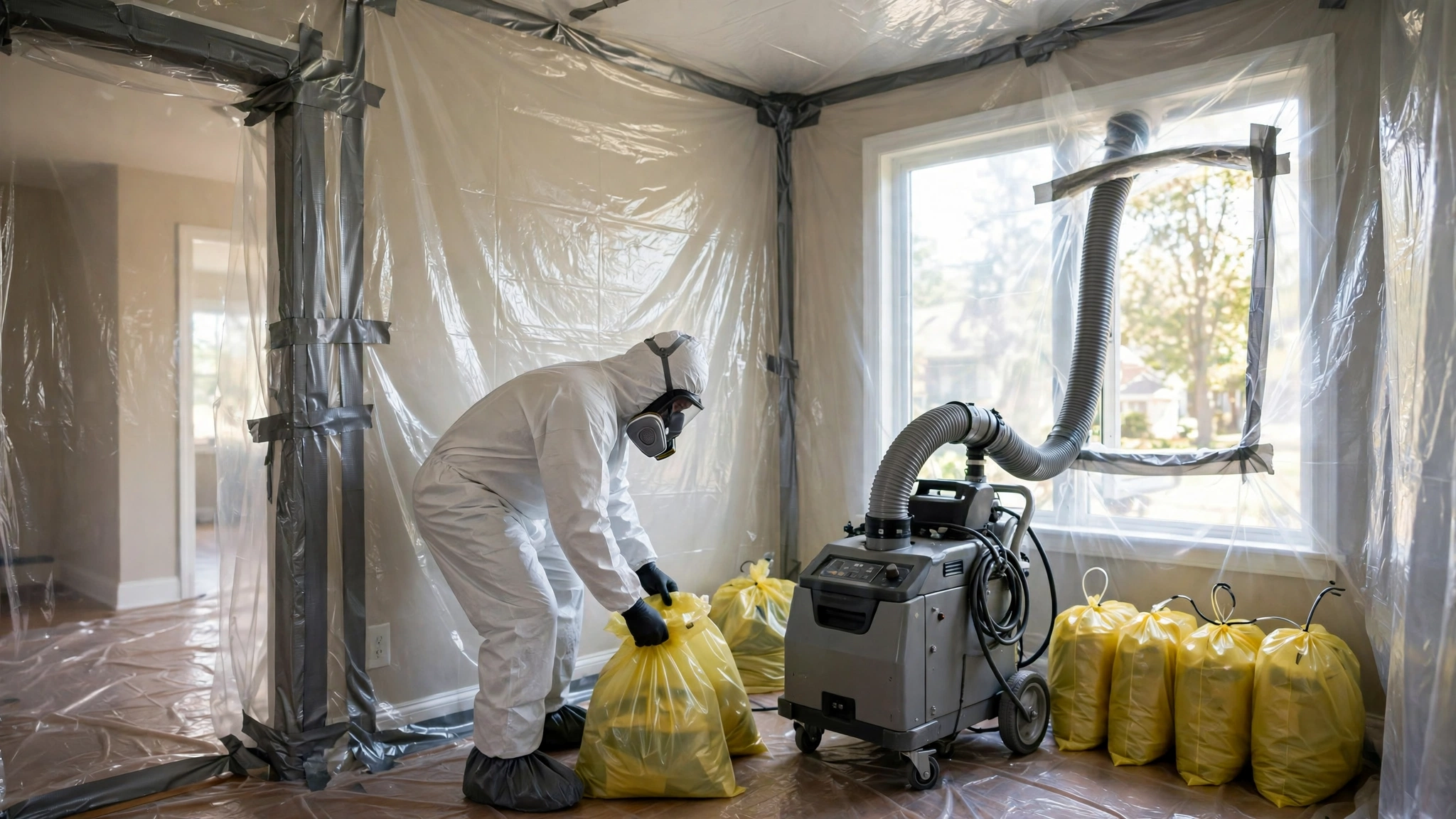
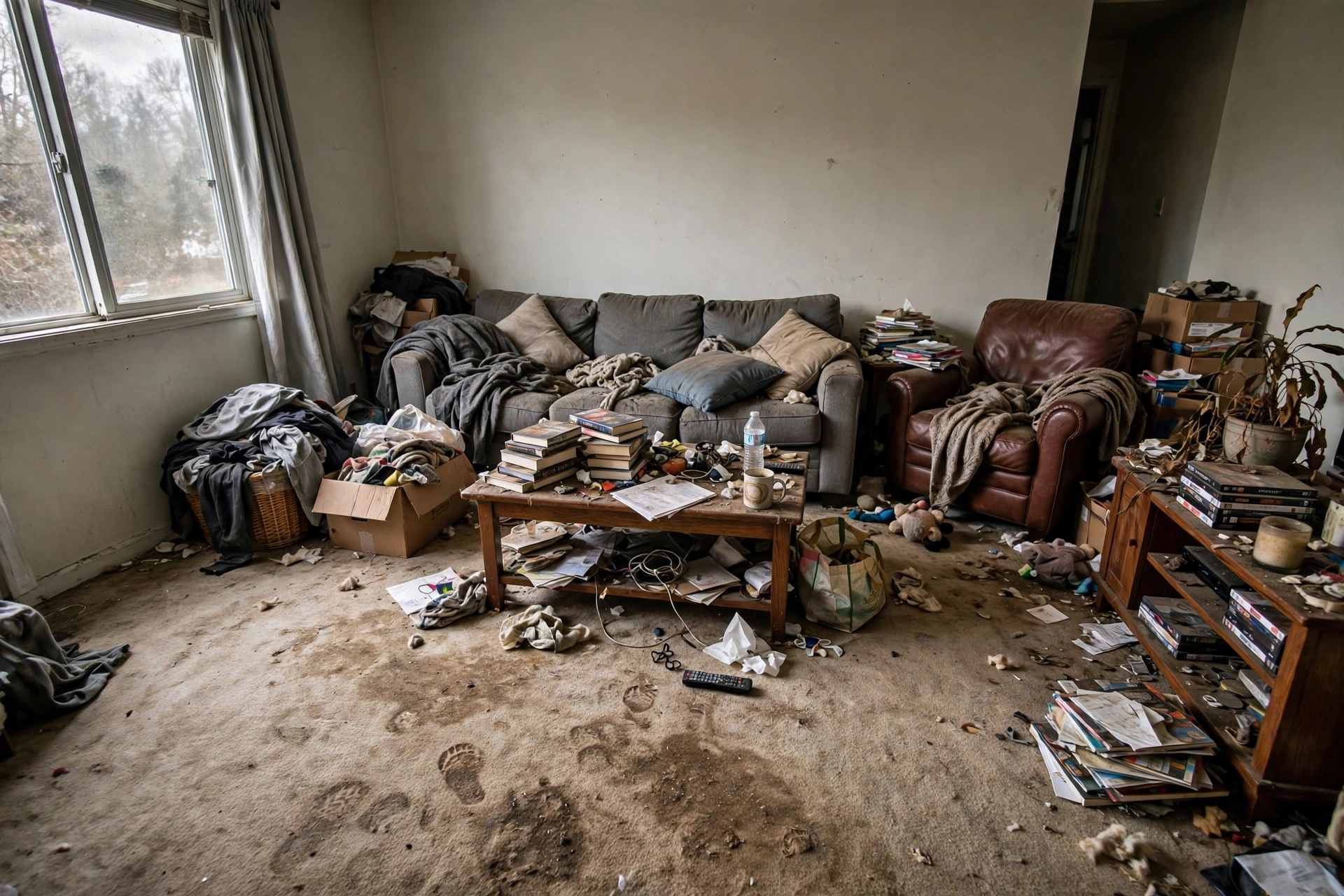
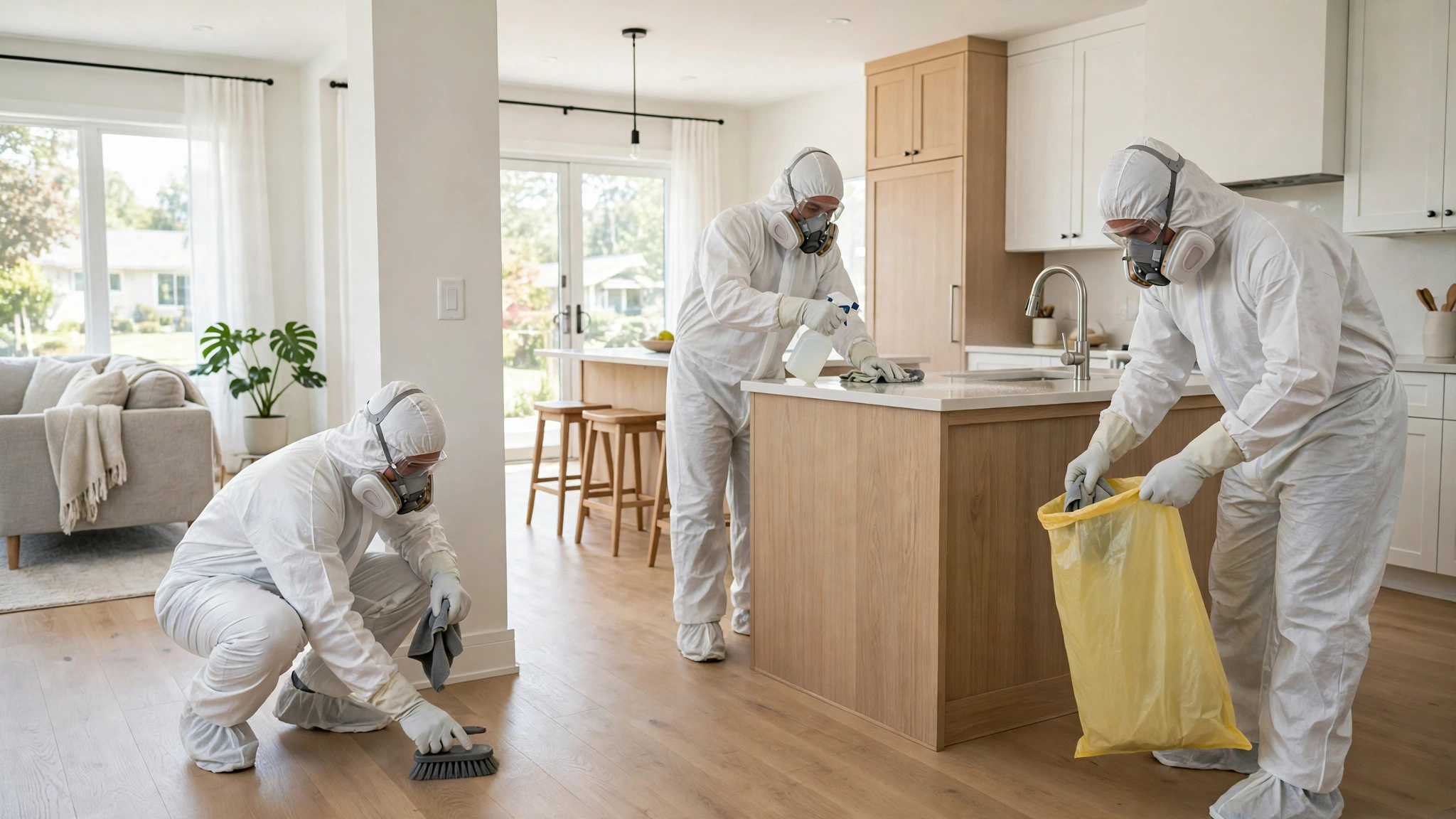
Illustrative image, not a specific customer job.Illustrative image, not a specific customer job.Illustrative image, not a specific customer job.Illustrative image, not a specific customer job.
How crime scene cleanup is done in South Mountain
1. Confirm release and assess the rooms
No equipment is unpacked until release and scope are settled, so the first stage is conversation, observation, and agreement about rooms and routes. The crew first establishes that the scene is released, then maps the affected rooms and agrees access, presence, and the boundaries of the work. In South Mountain, assessment takes account of single-family homes near desert parkland and mountain slopes, with a mix of older and newer houses, and of homes with patios, garages, and rooms that open toward desert views, some on sloped or larger lots. This stage is explained to the household in plain terms, covering which rooms are involved and what will happen to items and surfaces in them.
2. Contain the work area
Barriers at doorways and protection on walkways create a contained work zone, keeping the rest of the home apart from the rooms being worked in. Containment keeps the work inside the affected rooms, with doorways sealed, walkways protected, and movement planned so material is not carried into clean rooms. In South Mountain, containment is planned around driveways, side gates, and garden paths, with some homes reached by longer drives from main roads, so shared or adjoining spaces stay protected. The household is told what this stage means for their rooms, so there are no surprises about what is being removed, what is being disinfected, or which rooms are included.
3. Remove contaminated material
Items that cannot be made safe are taken out in sealed form, through the agreed route, for handling through the regulated waste route. Removal is done piece by piece, with each item sealed before it leaves the room, so nothing loose is carried through the home. In South Mountain, removal considers tile floors, stucco walls, grout, and soft furnishings, with desert dust present in many rooms, because porous and soft items behave differently from hard surfaces. This stage is explained to the household in plain terms, covering which rooms are involved and what will happen to items and surfaces in them.
4. Clean and disinfect salvageable surfaces
Saved surfaces receive a two-stage treatment: cleaning to remove residue, then disinfection, with edges and joints inspected as part of the same pass. Disinfection is methodical rather than cosmetic, covering hard surfaces, fixtures, and touch points, and checking grout and joints where material can hide. In South Mountain, disinfection is checked against intense desert heat and dust from nearby desert land, with monsoon rain that runs off slopes toward homes, which affects drying and odour in a closed room. The household is told what this stage means for their rooms, so there are no surprises about what is being removed, what is being disinfected, or which rooms are included.
5. Check, dry, and inspect again
The check stage looks beyond the obvious: under furniture positions, along edges and joints, and in any adjoining space that may have been touched during the incident. After cleaning, the room is checked again in daylight and with a careful walk-through: floors, walls, fixtures, and adjoining areas are inspected for anything missed. In South Mountain, the second inspection also looks at adjoining rooms and routes used daily in homes of this type. Each stage is described as it happens, so the household understands the rooms, items, and surfaces concerned at that point.
6. Hand over with a written summary
The final stage hands the room back with documentation, so the household knows what was done, what was removed, and what, if anything, still needs a separate decision. Handover is a plain-language summary: what was removed, what was disinfected, which rooms were worked in, and what to watch for as the room returns to use. In South Mountain, handover covers the rooms worked in, the items removed, and the waste route agreed for this property. Households hear what this stage involves for their specific rooms, including removals, disinfection, and any rooms added on assessment.
Warning signs to call about
Investigators have released the scene, yet biological material remains on floors, walls, furniture, or fixtures in the affected rooms, and the household can see or smell that the rooms are not ready to use. Households in South Mountain should mention this sign on the first call, along with the rooms concerned, so assessment can be planned for that property.
A room cannot be used normally because staining, material, or odour remains after an initial wipe or a household clean, and the household is avoiding that room rather than using it. A household in South Mountain facing this sign should keep the room closed and seek assessment, rather than trying another household clean.
Uncertainty about touch, seating, and walking surfaces, and about which items to leave alone, points to a need for assessment rather than guesswork. Households in South Mountain should not guess about safe surfaces, and assessment provides a clear answer for each room and item.
A previous attempt to tidy or wipe the room has left doubt about what remains in porous material, grout, joints, or soft furnishings, and that doubt has not cleared with ventilation. In South Mountain, this doubt is checked against tile floors, stucco walls, grout, and soft furnishings, with desert dust present in many rooms, including grout, joints, and soft furnishings that wiping cannot reliably clear.
Lingering odour confined to one room, even with air moving, is a sign that material remains and that removal, not ventilation, is needed. In South Mountain, lingering odour is checked against tile floors, stucco walls, grout, and soft furnishings, with desert dust present in many rooms and adjoining rooms, since odour can come from material hidden in porous items or joints.
Spread to a hallway, bathroom, or bedroom is possible in any home, since rooms are linked by daily movement, and a neighboring room showing doubt or odour should be included in assessment. A South Mountain household should mention any neighboring room concern on the first call, so assessment covers it from the start.
What to do first
Anyone injured or in danger needs emergency help before anything else, and an unsafe or unreleased scene should not be entered. Households in South Mountain should make this call from outside the affected rooms, where it is safe to do so.
Leave the affected rooms exactly as they are until law enforcement confirms release, without moving or tidying anything inside them. Households in South Mountain who are unsure about release should say so early, rather than assuming the scene is clear.
Keep people and pets out of the affected rooms, close the doors if you can do so safely, and avoid moving furniture, bedding, or personal items. Households in South Mountain should agree which rooms are closed off, so daily life can continue safely elsewhere in the home.
Avoid household cleaning on the affected rooms: mopping, vacuuming, and wiping can spread material rather than remove it safely. For South Mountain homes, household cleaning products do not replace assessment, and mopping or vacuuming can spread contamination.
Avoid running fans, heaters, or cooling in a way that pushes air from the affected room through the rest of the home. For South Mountain properties, cooling or heating that connects rooms should stay off for the affected room until assessment.
The first call needs the area and city, the building type, the rooms concerned, and a clear statement about whether release has happened. In South Mountain, mentioning the home type and rooms on the first call saves time and avoids a generic plan.
In a rented or shared building, contact the manager or landlord about assessment for the released scene, and settle access and timing in advance. In South Mountain, managers and landlords can also help with driveways, side gates, and garden paths, with some homes reached by longer drives from main roads, since they know building entries and shared routes.
A brief note of observations made without entering the room is useful for the crew and for household records, and should be kept. In South Mountain, such a note also helps the crew understand homes with patios, garages, and rooms that open toward desert views, some on sloped or larger lots and which rooms were observed, without entering them.
When crime scene cleanup is needed in South Mountain
For example, a household in a desert-edge home where a bedroom and patio-facing room need attention after a scene is released. This is a hypothetical illustration only, not a real customer story. The steps for such a household are deliberately simple: confirm that investigators have released the scene, close the affected rooms, avoid moving or wiping anything, and call to describe South Mountain and the property. A crew would then map the rooms, contain the work area, remove unsalvageable material, disinfect what can be saved, check the rooms again, and hand them back with documentation. Adjoining rooms would be included in that assessment, and the household would not be expected to prepare the rooms beforehand. For a home in South Mountain, single-family homes near desert parkland and mountain slopes, with a mix of older and newer houses would shape the assessment in such an example, including surfaces and adjoining rooms.
For example, a homeowner whose garage entry and lower room must be checked after dust and rain reach the house. This is a hypothetical illustration only, not a real customer story. The steps for such a household are deliberately simple: confirm that investigators have released the scene, close the affected rooms, avoid moving or wiping anything, and call to describe South Mountain and the property. A crew would then map the rooms, contain the work area, remove unsalvageable material, disinfect what can be saved, check the rooms again, and hand them back with documentation. Adjoining rooms would be included in that assessment, and the household would not be expected to prepare the rooms beforehand. Such an example in South Mountain would also need to consider intense desert heat and dust from nearby desert land, with monsoon rain that runs off slopes toward homes, which affects timing and drying.
For example, a family in a hillside home where an upper bedroom and staircase are the affected area. This is a hypothetical illustration only, not a real customer story. In such a situation, the household would first confirm that emergency services and investigators have finished and that the scene has been released, then keep the affected rooms closed and untouched, and call to describe South Mountain, the type of home, and the rooms involved. The crew would assess the rooms and adjoining spaces, contain the work area, remove material that cannot be disinfected, disinfect surfaces that can be saved, and hand the rooms back with a written summary. The household would not need to tidy, move items, or attempt a household clean first, and adjoining rooms would be checked rather than assumed clean. Such an example in South Mountain would also need to consider intense desert heat and dust from nearby desert land, with monsoon rain that runs off slopes toward homes, which affects timing and drying.
Scenarios above are hypothetical illustrations, not real customer jobs.
Crime scene cleanup in South Mountain: questions people ask
Must cleanup in South Mountain wait until investigators release the scene?
Release is the gate for cleanup in South Mountain. Until law enforcement confirms it, affected rooms stay untouched, and no crew enters them for cleaning. This protects both the investigation and the household, since early movement can disturb what investigators need and can spread material into clean areas. A call that flags uncertain release status allows the visit to be timed correctly. For a home in South Mountain, that answer is shaped by homes with patios, garages, and rooms that open toward desert views, some on sloped or larger lots, so mention the layout on the first call.
What changes about cleanup in South Mountain homes compared with other homes?
Housing, layout, and access change the details in South Mountain, where homes include single-family homes near desert parkland and mountain slopes, with a mix of older and newer houses. Shared buildings bring corridor and neighbor considerations, detached homes bring hallway, adjoining-room, and entry considerations, and both bring surface differences that affect removal and disinfection choices. The underlying stages do not change, but their order, routes, and checks are fitted to the property, so two homes in the same neighborhood can still need different plans. Homes in South Mountain include single-family homes near desert parkland and mountain slopes, with a mix of older and newer houses, which is why a general answer alone is not enough for this neighborhood.
Are furniture and soft furnishings in an affected room saved or removed?
Furniture decisions follow material, not appearance. Hard items that disinfection can reach are often saved, while soft and porous items that absorbed material are usually removed through the regulated waste route, since internal contamination cannot be disinfected with confidence. Each item is discussed before removal, so the household understands the reasoning, and an item of particular importance can be flagged on the first call for early assessment. For a home in South Mountain, that answer is shaped by homes with patios, garages, and rooms that open toward desert views, some on sloped or larger lots, so mention the layout on the first call.
Is it necessary to stay home while cleanup work is under way?
You do not have to stay for the whole job. Timing, access, and presence are agreed before arrival, and many households wait elsewhere, with a manager, landlord, or representative involved if the property requires it. Handover provides a walk-through and a written summary, so the household receives a full account of rooms, removals, and disinfection even when they were not present throughout. Homes in South Mountain include single-family homes near desert parkland and mountain slopes, with a mix of older and newer houses, which is why a general answer alone is not enough for this neighborhood.
How is waste handled from a property in South Mountain?
Waste leaves sealed, through an agreed route, and goes to a regulated route, not to household bins. In South Mountain, that route is planned around driveways, side gates, and garden paths, with some homes reached by longer drives from main roads, avoiding clean rooms, shared corridors, and neighbor garden areas. The household receives a record of the route at handover, so waste handling is documented rather than assumed. In South Mountain, driveways, side gates, and garden paths, with some homes reached by longer drives from main roads also affects how this is arranged, so access details help the crew plan.
Should rooms beside the affected room be checked as well?
Leave adjoining rooms alone until they have been assessed. Contamination can reach a hallway, bathroom, or bedroom through use, footwear, or shared surfaces, even when the main incident happened in one room. The crew checks adjoining areas as part of assessment, and the scope is agreed before work starts. If an adjoining room is needed for sleeping or daily use, mention that on the first call so the plan can prioritise a safe route through the home. Homes in South Mountain include single-family homes near desert parkland and mountain slopes, with a mix of older and newer houses, which is why a general answer alone is not enough for this neighborhood.