A scene that is still being investigated must be left exactly as it is. Once emergency services have finished and investigators have released the rooms, cleanup can be considered. After a scene is released, crime scene cleanup deals with what is left behind in the rooms: biological material on floors, walls, furniture, and fixtures, and the contamination that cannot be seen on a wiped surface. In Biltmore, Phoenix, AZ, the work is planned for homes like those found here: larger single-family homes, condominiums, and resort-area apartments near a historic hotel district. Leave the room alone, close the door if you can do so safely, and avoid running fans or ventilation that would push air from that room through the rest of the home. A short call that covers the area, the rooms, the building access, and whether investigators have released the scene gives the crew what they need to plan the visit properly.
A released scene in Biltmore is where this service begins. Emergency help and investigation come first, and once those stages are complete, the remaining work is inside the home. The rooms left behind cannot be restored by tidying alone, since biological material may sit on tile and stone floors, stucco walls, large rugs, and upholstered furniture in spacious rooms and inside porous material that a wipe cannot reach. The sections below describe the work for Biltmore homes specifically: the first steps, the local factors, the process, and the questions households in this neighborhood tend to ask. The neighborhood character shapes the work too: a quiet, upscale area with manicured streets, golf courses, and homes set back from main roads, so timing, entry, and waste routes are agreed with that closeness in mind. For households in Biltmore, that neighborhood focus also means the crew can be briefed on the building type before arrival, rather than learning it at the door. A local briefing for Biltmore also covers how neighbors and shared spaces are treated, so the household knows in advance how corridors, lifts, garden paths, and parking areas will be protected during the visit.
Weather and season affect a cleanup in Biltmore directly, since desert heat in large air-conditioned homes, with monsoon dust and rain that reach patios and ground-floor rooms. In a warm, damp room, odour and bacterial growth build faster, so containment and prompt assessment matter, and a room left sealed through the hottest part of the day does not stay stable. Containment and airflow planning keep the affected space apart from clean rooms, which protects occupants and neighbors while work is under way. The surfaces in Biltmore homes decide much of the method, since larger single-family homes, condominiums, and resort-area apartments near a historic hotel district present a mix of hard, porous, and soft materials, each needing a different decision about disinfection or removal. A room in Biltmore is therefore handed back only after climate-related checks, such as drying and odour, have been completed for that property. For Biltmore homes, the crew therefore records climate-related observations during assessment, such as warmth, dampness, and recent rain or dust, so the plan reflects conditions on the day rather than a standard assumption.
The approach on this page is deliberately calm and factual, with nothing described in graphic terms and nothing presented as a real event when it is only a hypothetical example. The room-by-room method means unaffected rooms stay usable when that is safe, and the household receives a clear summary of what left the property and what was treated. Households in Biltmore often have practical questions that go beyond cleaning: whether they need to be present, how a landlord or building manager is involved, what happens to an item that matters to the family, and how adjoining rooms are checked. Until release is confirmed, the household should hold off, keep doors closed, and avoid entering the rooms concerned. For Biltmore households, the practical questions above are most usefully raised on the first call, when access, presence, and adjoining rooms can still shape the plan. Households in Biltmore often ask about valued items, landlord or manager notification, and arrangements for children and pets, and those questions are easier to answer when they are raised before the crew arrives.
Crime scene cleanup in Biltmore: local factors
Housing and layout in Biltmore
The plan for Biltmore begins with its housing stock: larger single-family homes, condominiums, and resort-area apartments near a historic hotel district, set out as generous homes with separate wings, hallways, and garden rooms, plus condominium units with shared corridors. Spread follows layout, not a standard pattern, which is why mapping rooms, doorways, and daily routes matters more than assuming a single room is the whole job. Walls, fixtures, furnishings, and edges are part of assessment in Biltmore, because contamination reaches beyond the most visible surface in a lived-in room. Older and newer elements often sit side by side in Biltmore homes, so assessment in this neighborhood looks for mixed materials and altered layouts, not a single age. Housing in Biltmore therefore shapes the sequence of work, with connected rooms checked early, separate wings checked later, and each room assessed on its own surfaces and fixtures rather than assumed from the first room alone. In Biltmore, a quiet, upscale area with manicured streets, golf courses, and homes set back from main roads, and the crew therefore checks tile and stone floors, stucco walls, large rugs, and upholstered furniture in spacious rooms in the context of generous homes with separate wings, hallways, and garden rooms, plus condominium units with shared corridors, so assessment reflects the actual property rather than a general pattern for Phoenix homes.
Climate and season in Biltmore
Conditions in Phoenix do not stay in the background during this work, and desert heat in large air-conditioned homes, with monsoon dust and rain that reach patios and ground-floor rooms. The method adapts to those conditions, with containment first, airflow controlled, and drying confirmed at the checking stage. The crew looks at weather routes alongside the main rooms in Biltmore, checking ground floors, garages, and older openings where rain or dust may have traveled. In Biltmore, seasonal timing also matters for the household, since a room affected in warm or stormy weather may need assessment sooner than the same room in cooler, drier conditions. In Biltmore, the crew also advises the household about ventilation and room closure in seasonal terms, explaining why a room should stay closed in warm or stormy weather rather than being aired into the rest of the home.
Access and staging in Biltmore
Access in Biltmore is practical, not theoretical, and gated drives, garage routes, and controlled condominium entries that allow discreet, contained work. Staging, door choice, waste routes, and protection for corridors, lifts, and paths all follow from those access facts. Advance agreement on routes prevents surprises: shared corridors are protected, detached routes are settled, and waste leaves sealed, through the agreed path only. The crew in Biltmore plans access to minimise movement through clean or shared areas, keeping staging and waste routes as contained as possible. For Biltmore properties, access contingency is part of the plan, including alternative doors, lifts, or garden routes, and agreement about who to contact if the main route cannot be used on arrival.
Privacy and neighbors in Biltmore
Privacy matters in Biltmore because homes sit close to other homes, and a visit is visible even when the work itself is contained, and a quiet, upscale area with manicured streets, golf courses, and homes set back from main roads. Timing, entry, and presence are settled on the first call, movement follows agreed routes, and adjoining rooms are entered only where assessment requires it. Privacy does not mean secrecy about the work: a written handover account is still provided, while timing and routes respect concerns raised about neighbors, managers, visitors, or children. Privacy in Biltmore is therefore discussed in practical terms, including who will be home, who needs to know, and when movement through shared areas will happen. In Biltmore, the crew agrees communication and handover preferences on the first call, including a single contact person where the household prefers it, so updates do not reach people the household has not chosen.
What crime scene cleanup covers in Biltmore
The scope in Biltmore is the post-release biohazard work in cleared rooms: material on tile and stone floors, stucco walls, large rugs, and upholstered furniture in spacious rooms, items that absorbed contamination, and surfaces and fixtures that disinfection can save. Rooms cleared by investigators form the core scope, with adjoining rooms added on assessment evidence, and waste from all of them handled through the regulated route. This service does not replace or overlap the investigation: work waits for release, and items investigators need remain untouched until then. Decisions about repair or replacement follow cleanup, not during it, and handover explains what was cleaned so those later choices start from a known position. A finished room should be clean, disinfected, checked, and recorded in writing, leaving no doubt about what the cleanup covered. A Biltmore scope discussion therefore covers rooms, items, surfaces, and waste, giving the household a complete picture before work starts. In Biltmore, the agreed scope also notes which rooms were checked and cleared without work, so the household has a complete record, not only a list of rooms that were cleaned. In Biltmore, that scope is also checked against tile and stone floors, stucco walls, large rugs, and upholstered furniture in spacious rooms, so the household knows which surfaces were disinfected and which items were removed. This site covers only the 15 verified Phoenix neighborhoods, and coverage is checked by ZIP.
Illustrative image, not a specific customer job.Illustrative image, not a specific customer job.Illustrative image, not a specific customer job.Illustrative image, not a specific customer job.
How crime scene cleanup is done in Biltmore
1. Confirm release and assess the rooms
No equipment is unpacked until release and scope are settled, so the first stage is conversation, observation, and agreement about rooms and routes. Assessment starts at the doorway, with release confirmed, rooms listed, and a scope agreed before any material is touched. In Biltmore, assessment takes account of larger single-family homes, condominiums, and resort-area apartments near a historic hotel district, and of generous homes with separate wings, hallways, and garden rooms, plus condominium units with shared corridors. Households hear what this stage involves for their specific rooms, including removals, disinfection, and any rooms added on assessment.
2. Contain the work area
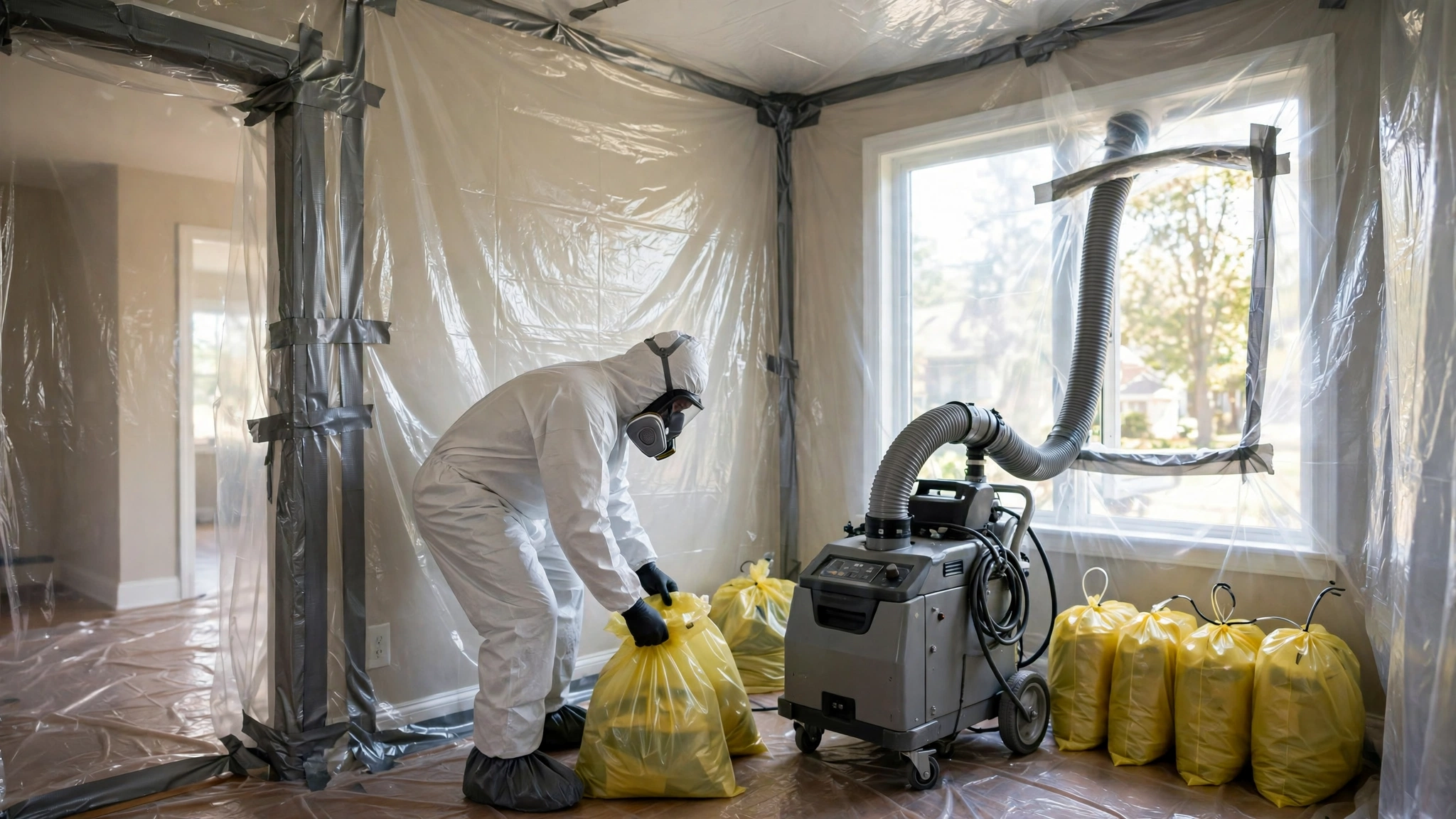
The affected area is separated from the rest of the home with barriers and protected paths, so the crew, equipment, and waste move only through agreed routes. Barriers at doorways and protection on walkways create a contained work zone, keeping the rest of the home apart from the rooms being worked in. In Biltmore, containment is planned around gated drives, garage routes, and controlled condominium entries that allow discreet, contained work, so shared or adjoining spaces stay protected. The household is told what this stage means for their rooms, so there are no surprises about what is being removed, what is being disinfected, or which rooms are included.
3. Remove contaminated material
Removal is done piece by piece, with each item sealed before it leaves the room, so nothing loose is carried through the home. Contaminated soft furnishings, porous material, and items that absorbed biological material are removed rather than wiped, because disinfection cannot reach inside porous material. In Biltmore, removal considers tile and stone floors, stucco walls, large rugs, and upholstered furniture in spacious rooms, because porous and soft items behave differently from hard surfaces. The household is told what this stage means for their rooms, so there are no surprises about what is being removed, what is being disinfected, or which rooms are included.
4. Clean and disinfect salvageable surfaces
Cleaning and disinfection work through the room in order: hard surfaces are cleaned, disinfected, and allowed the contact time they need, and grout, joints, and fixtures are checked as routes contamination can follow. After removal, the crew cleans and disinfects salvageable surfaces room by room, working from the least affected areas toward the most affected, where that order is safer. In Biltmore, disinfection is checked against desert heat in large air-conditioned homes, with monsoon dust and rain that reach patios and ground-floor rooms, which affects drying and odour in a closed room. This stage is explained to the household in plain terms, covering which rooms are involved and what will happen to items and surfaces in them.
5. Check, dry, and inspect again
Inspection after cleaning covers floors, walls, fixtures, edges, and adjoining rooms, looking for missed material, remaining odour, and incomplete drying. After cleaning, the room is checked again in daylight and with a careful walk-through: floors, walls, fixtures, and adjoining areas are inspected for anything missed. In Biltmore, the second inspection also looks at adjoining rooms and routes used daily in homes of this type. The household is told what this stage means for their rooms, so there are no surprises about what is being removed, what is being disinfected, or which rooms are included.
6. Hand over with a written summary
Handover is not a formality: it is the moment the household can ask about any room or item, and receive a written account in return. Handover includes a walk-through, a written summary of removals and disinfection, and space for questions about rooms, items, or surfaces. In Biltmore, handover covers the rooms worked in, the items removed, and the waste route agreed for this property. Each stage is described as it happens, so the household understands the rooms, items, and surfaces concerned at that point.
Warning signs to call about
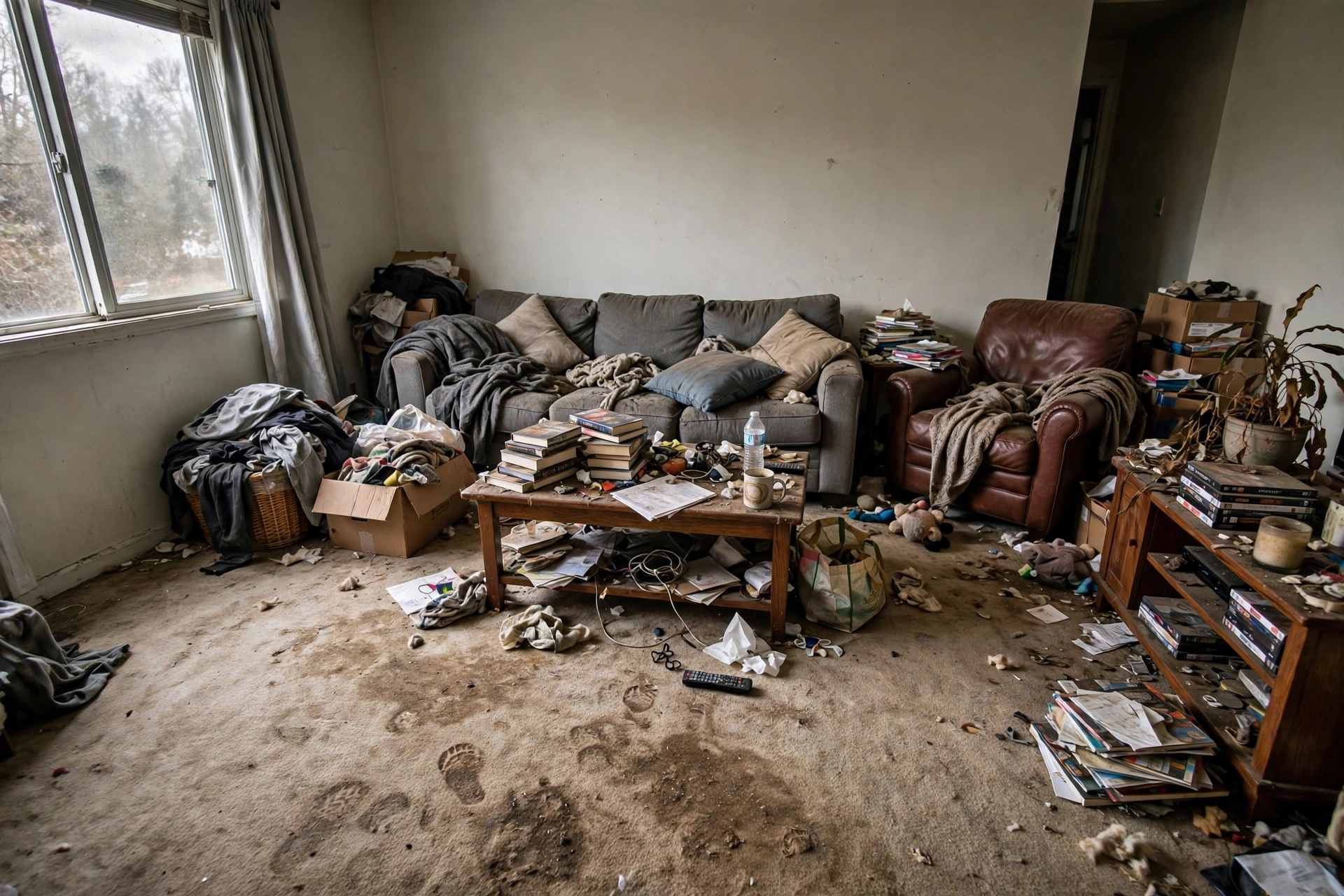
After release, material remains visible or detectable in the rooms, on floors, walls, furniture, or fixtures, even though investigators have finished their work there. Households in Biltmore should mention this sign on the first call, along with the rooms concerned, so assessment can be planned for that property.
When a wiped room still carries staining, material, or odour, it cannot return to daily use, and that persistence is itself a sign to seek assessment. A household in Biltmore facing this sign should keep the room closed and seek assessment, rather than trying another household clean.
You are unsure which surfaces are safe to touch, sit on, or walk across, and which items should be left for assessment, because the extent of contamination is not visible. In Biltmore, uncertainty of this kind is common where larger single-family homes, condominiums, and resort-area apartments near a historic hotel district present a mix of hard and porous surfaces, and assessment resolves it room by room.
A previous attempt to tidy or wipe the room has left doubt about what remains in porous material, grout, joints, or soft furnishings, and that doubt has not cleared with ventilation. A Biltmore household in this position should leave the room as it is and arrange assessment, rather than wiping again.
Persistent odour in a single room, despite open doors and ventilation, suggests material remains that has not been removed. Households in Biltmore noticing this sign should keep the room closed, avoid ventilation into other rooms, and seek assessment.
A neighboring room that raises concern, whether through odour, marks, or uncertainty, should be treated as part of the assessment, because contamination follows use across a home. In Biltmore, a neighboring room showing doubt or odour is included in scope on assessment, so the household receives one clear plan for all affected rooms.
What to do first
Emergency services come first for anyone hurt or at risk, and entry to an unsafe scene should wait until it is declared safe. In Biltmore, emergency help also needs the building entry and floor information, so responders can reach the home without delay.
Leave the affected rooms exactly as they are until law enforcement confirms release, without moving or tidying anything inside them. In Biltmore, the crew will ask about release status on the first call, so the visit can be timed to follow confirmation.
Keep people and pets out of the affected rooms, close the doors if you can do so safely, and avoid moving furniture, bedding, or personal items. In Biltmore, doors to affected rooms should stay closed where safe, and household members should use other routes through the home.
Avoid household cleaning on the affected rooms: mopping, vacuuming, and wiping can spread material rather than remove it safely. For Biltmore homes, household cleaning products do not replace assessment, and mopping or vacuuming can spread contamination.
Do not set ventilation to move air out of the affected room and through the home, because that route can carry contamination with it. For Biltmore properties, cooling or heating that connects rooms should stay off for the affected room until assessment.
For the first call, gather the neighborhood, the city, the home type, the rooms involved, and the release status, without entering the rooms to check. Households in Biltmore should gather these details from outside the affected rooms, without entering them.
If the home is rented or in a shared building, tell the building manager or landlord that a released scene needs professional assessment, and agree access and timing in advance. In Biltmore, managers and landlords can also help with gated drives, garage routes, and controlled condominium entries that allow discreet, contained work, since they know building entries and shared routes.
Keep a simple note of what you observed without entering the room, and keep that note for the crew and for your own records. In Biltmore, this note should be made from outside the affected rooms, and should not require re-entering them.
When crime scene cleanup is needed in Biltmore
For example, a household in a large home where one wing must be closed while the rest of the house stays in use. This is a hypothetical illustration only, not a real customer story. The steps for such a household are deliberately simple: confirm that investigators have released the scene, close the affected rooms, avoid moving or wiping anything, and call to describe Biltmore and the property. A crew would then map the rooms, contain the work area, remove unsalvageable material, disinfect what can be saved, check the rooms again, and hand them back with documentation. Adjoining rooms would be included in that assessment, and the household would not be expected to prepare the rooms beforehand. For a home in Biltmore, larger single-family homes, condominiums, and resort-area apartments near a historic hotel district would shape the assessment in such an example, including surfaces and adjoining rooms.
For example, a condominium owner whose bedroom and bathroom need attention after a scene is released. This is a hypothetical illustration only, not a real customer story. Such a household would begin by confirming release, keeping the rooms closed, and calling with the neighborhood, home type, and rooms concerned. Assessment would follow, covering the affected rooms and those beside them, with containment set up before removal. Material that disinfection cannot reach would leave through the regulated route, hard surfaces would be disinfected, and handover would provide a written account. No tidying or household cleaning would be needed first, and neighboring rooms would be assessed on evidence, not assumed clear. In Biltmore, the layout in such an example, generous homes with separate wings, hallways, and garden rooms, plus condominium units with shared corridors, would affect which rooms are checked alongside the main room.
For example, a family with a garden-facing room where a patio door area must also be checked. This is a hypothetical illustration only, not a real customer story. The steps for such a household are deliberately simple: confirm that investigators have released the scene, close the affected rooms, avoid moving or wiping anything, and call to describe Biltmore and the property. A crew would then map the rooms, contain the work area, remove unsalvageable material, disinfect what can be saved, check the rooms again, and hand them back with documentation. Adjoining rooms would be included in that assessment, and the household would not be expected to prepare the rooms beforehand. In Biltmore, the layout in such an example, generous homes with separate wings, hallways, and garden rooms, plus condominium units with shared corridors, would affect which rooms are checked alongside the main room.
Scenarios above are hypothetical illustrations, not real customer jobs.
Crime scene cleanup in Biltmore: questions people ask
Can cleanup start before investigators release the scene in Biltmore?
No. Work in Biltmore starts only after law enforcement releases the scene, and anything investigators need stays untouched until then. If you are unsure whether release has happened, say so on the first call, and the visit will be planned around confirmation of release rather than assumed. This rule protects the investigation and protects the household, because early entry can disturb evidence and spread contamination at the same time, and no household benefit comes from starting before release is clear. In Biltmore, gated drives, garage routes, and controlled condominium entries that allow discreet, contained work also affects how this is arranged, so access details help the crew plan.
What changes about cleanup in Biltmore homes compared with other homes?
It differs in access, surfaces, and layout. In Biltmore, homes include larger single-family homes, condominiums, and resort-area apartments near a historic hotel district, so the plan accounts for those rooms, those surfaces, and the way people move through the home. A room in a shared building needs corridor and neighbor protection that a detached house does not, while a detached house may need attention to hallways, adjoining rooms, and garden-facing entries. The process steps stay the same, but the order, the routes, and the surfaces checked are set for the property in front of the crew. In Biltmore, gated drives, garage routes, and controlled condominium entries that allow discreet, contained work also affects how this is arranged, so access details help the crew plan.
Are furniture and soft furnishings in an affected room saved or removed?
Furniture decisions follow material, not appearance. Hard items that disinfection can reach are often saved, while soft and porous items that absorbed material are usually removed through the regulated waste route, since internal contamination cannot be disinfected with confidence. Each item is discussed before removal, so the household understands the reasoning, and an item of particular importance can be flagged on the first call for early assessment. Homes in Biltmore include larger single-family homes, condominiums, and resort-area apartments near a historic hotel district, which is why a general answer alone is not enough for this neighborhood.
Is it necessary to stay home while cleanup work is under way?
You do not have to stay for the whole job. Timing, access, and presence are agreed before arrival, and many households wait elsewhere, with a manager, landlord, or representative involved if the property requires it. Handover provides a walk-through and a written summary, so the household receives a full account of rooms, removals, and disinfection even when they were not present throughout. In Biltmore, gated drives, garage routes, and controlled condominium entries that allow discreet, contained work also affects how this is arranged, so access details help the crew plan.
How is waste handled from a property in Biltmore?
Waste leaves sealed, through an agreed route, and goes to a regulated route, not to household bins. In Biltmore, that route is planned around gated drives, garage routes, and controlled condominium entries that allow discreet, contained work, avoiding clean rooms, shared corridors, and neighbor garden areas. The household receives a record of the route at handover, so waste handling is documented rather than assumed. For a home in Biltmore, that answer is shaped by generous homes with separate wings, hallways, and garden rooms, plus condominium units with shared corridors, so mention the layout on the first call.
What should I do about rooms next to the affected room?
Adjoining rooms should stay untouched until assessment, because contamination can travel through use, footwear, and shared surfaces into a hallway, bathroom, or bedroom beside the main room. Assessment includes those neighbors as a matter of course, and scope is agreed before work begins. A room needed for daily use should be flagged on the first call, so the plan can prioritise safe access through the home. For a home in Biltmore, that answer is shaped by generous homes with separate wings, hallways, and garden rooms, plus condominium units with shared corridors, so mention the layout on the first call.